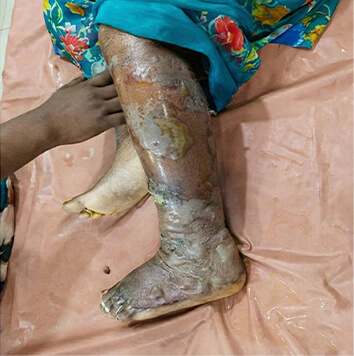
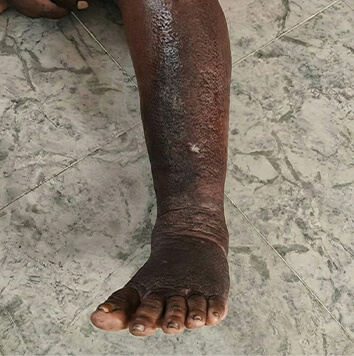
Overview of Cellulitis
Cellulitis is a skin infection that affects the deeper layers of the skin and the soft tissue underneath. It usually begins when bacteria enter the body through a small break in the skin. Even a minor cut or crack can allow the infection to start.
From clinical experience, cellulitis can worsen quickly if ignored. Early medical care helps control the infection, reduce discomfort, and prevent serious health problems.
What Is Cellulitis?
Cellulitis is a bacterial infection that causes the skin to become red, swollen, warm, and painful. It most commonly appears on the legs and feet but can also affect the arms, hands, or face.
The infection spreads beneath the skin rather than on the surface. This is why cellulitis should not be treated as a simple skin rash and always needs proper medical care.
Who Can Be Affected by Cellulitis?
Cellulitis can occur at any age, but some people are more likely to develop it, including:
- Individuals with diabetes
- Older adults
- People with weakened immune systems
- Patients with poor blood circulation
- Those with open wounds, ulcers, or skin injuries
- People who have had cellulitis before
Not treating skin injuries early increases the risk.
How Does Cellulitis Affect My Body?
When bacteria enter the skin, the body responds by sending immune cells to fight the infection. This causes swelling, redness, warmth, and pain in the affected area.
If treatment is delayed, the infection may spread deeper into the tissue or enter the bloodstream. With early care, most cases improve quickly and heal well.
Symptoms of Cellulitis
Symptoms of cellulitis often appear suddenly and may include:
Red, swollen skin that spreads over time
Warmth and tenderness in the area
Causes of Cellulitis
Causes of Cellulitis develops when bacteria enter the skin through:
Skin ulcers or infections
How to Get Rid of Cellulitis
Cellulitis requires medical treatment. It does not usually improve on its own. Treatment focuses on stopping the infection and supporting healing. This may include:
Starting treatment early after diagnosis
Keeping the affected area clean and raised
Resting the affected limb
Completing the full treatment plan as advised
Prevention of Cellulitis
You can lower the risk of cellulitis by:
Cleaning cuts and wounds right away
Keeping skin moisturized to avoid cracks
Checking feet and skin daily if you have diabetes
Treating skin infections early
Wearing protective footwear
Seeking medical care for slow-healing wounds
How Cellulitis Is Diagnosed
Doctors usually diagnose cellulitis by:
Examining the affected skin
Reviewing symptoms and medical history
Ordering blood tests if the infection is severe
Using imaging tests if deeper infection is suspected
Cellulitis Treatment Options
Cellulitis Treatment depends on how serious the infection is. Care plans may include:
Medicines to control the infection
Proper wound and skin care
Reducing swelling and pain
Monitoring progress closely
Follow-up visits to ensure healing
Before & After Treatment
Individual results may vary. Actual patient photos available during consultation.