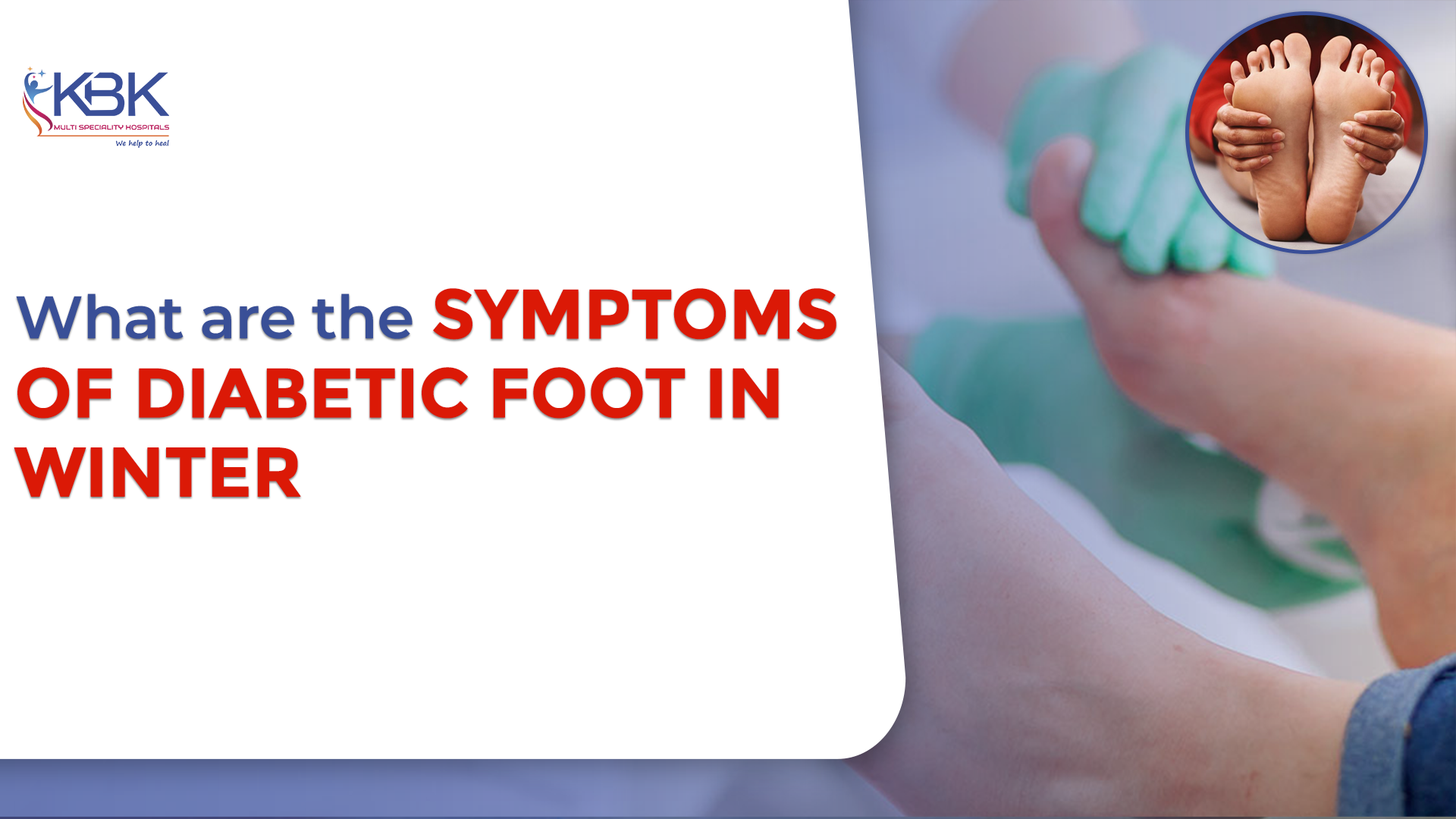
What Are the Symptoms of Diabetic Foot in Winter?

symptoms of diabetic foot

The symptoms of diabetic foot tend to worsen during winter due to cold temperatures, reduced blood circulation, and dry weather conditions. For people living with diabetes, winter can silently increase the risk of foot-related problems, even without obvious injury. Cold weather affects blood flow and nerve sensitivity, making it easier for small foot issues to … Read more


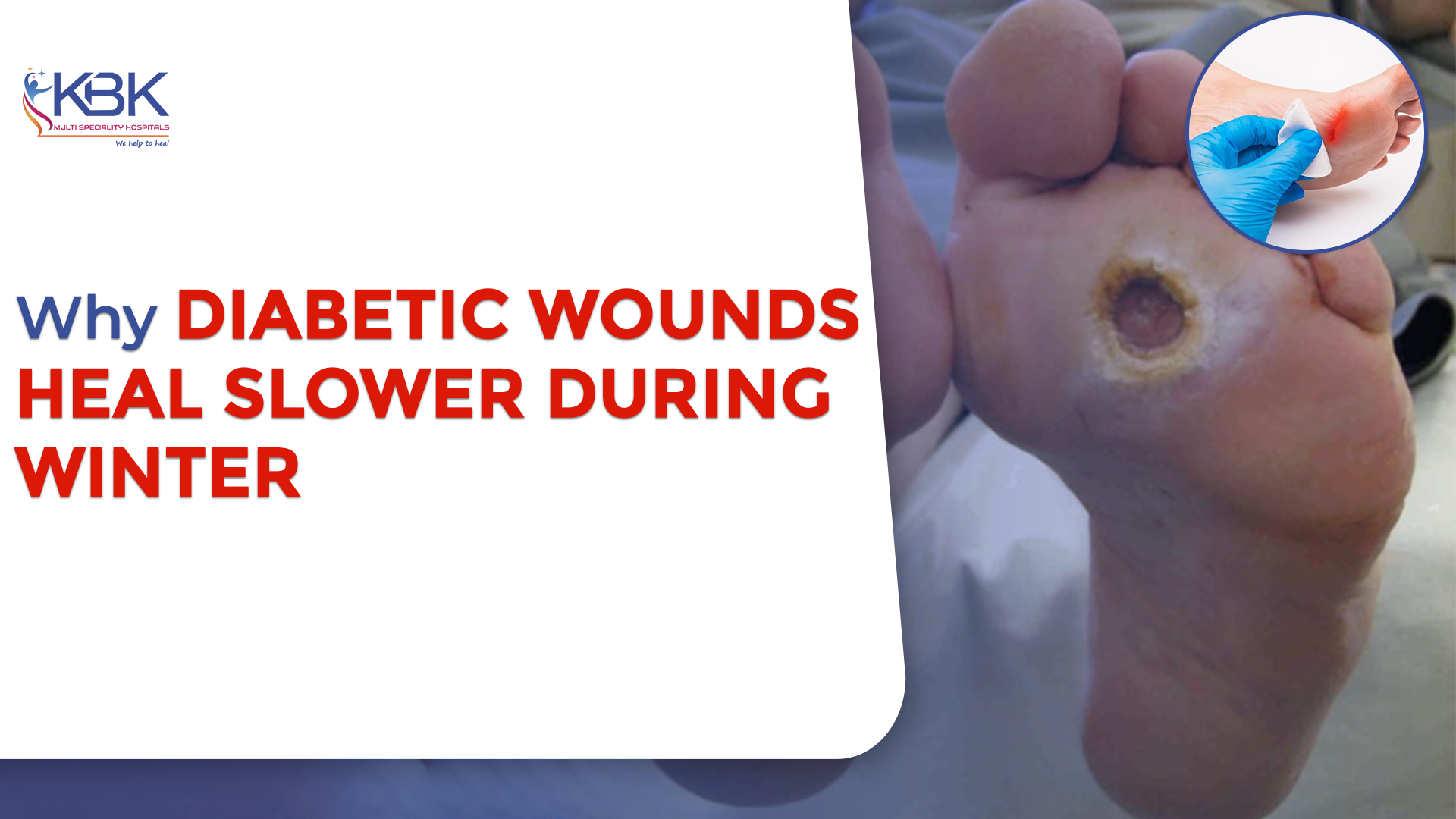
Why Diabetic Wounds Heal Slower During Winter

diabetic wounds

Diabetic wounds are already known to heal slower than normal wounds, but many patients and caregivers notice that healing becomes even more difficult during winter. Cold weather affects blood circulation, skin health, and immunity, all of which play an important role in wound recovery. Understanding why this happens can help people with diabetes take better … Read more


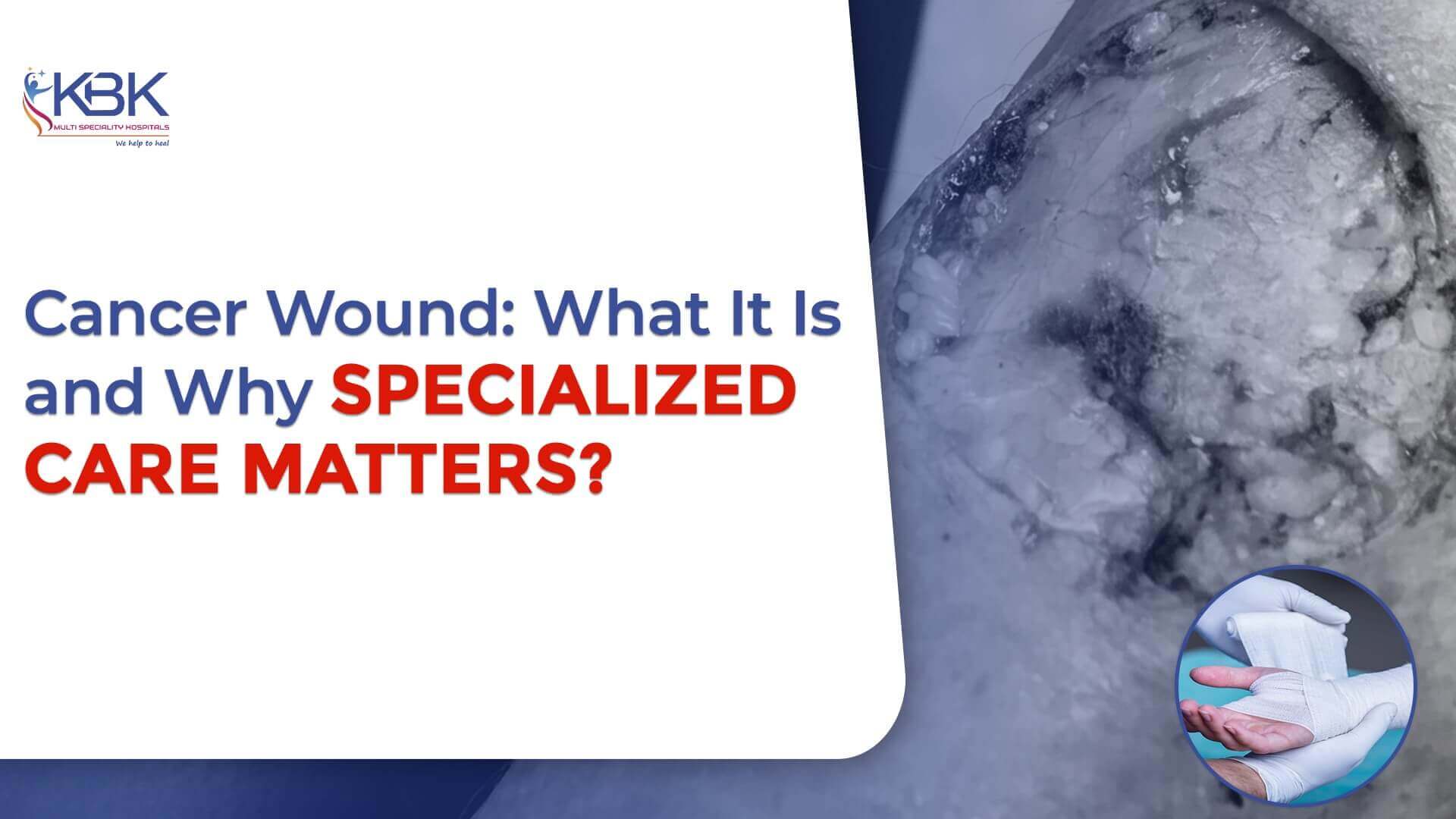
Cancer Wound: What It Is and Why Specialized Care Matters


A cancer wound, also known as a malignant wound or fungating wound, is a complex skin breakdown that develops when a cancer tumor grows into the skin or when cancer treatments affect healthy tissues. These wounds are often painful, difficult to heal, and emotionally challenging for patients and families. Understanding what a cancer wound is … Read more


Is Amputation the Only Option for Severe Foot Infections?

amputation

Many people fear that amputation is the only solution for severe foot infections. However, modern medical care now offers safer and more effective options that help save the limb. Early treatment, proper wound care, and timely diagnosis greatly reduce complications and lower the chances of major procedures. What Is Amputation? Amputation is a medical procedure … Read more


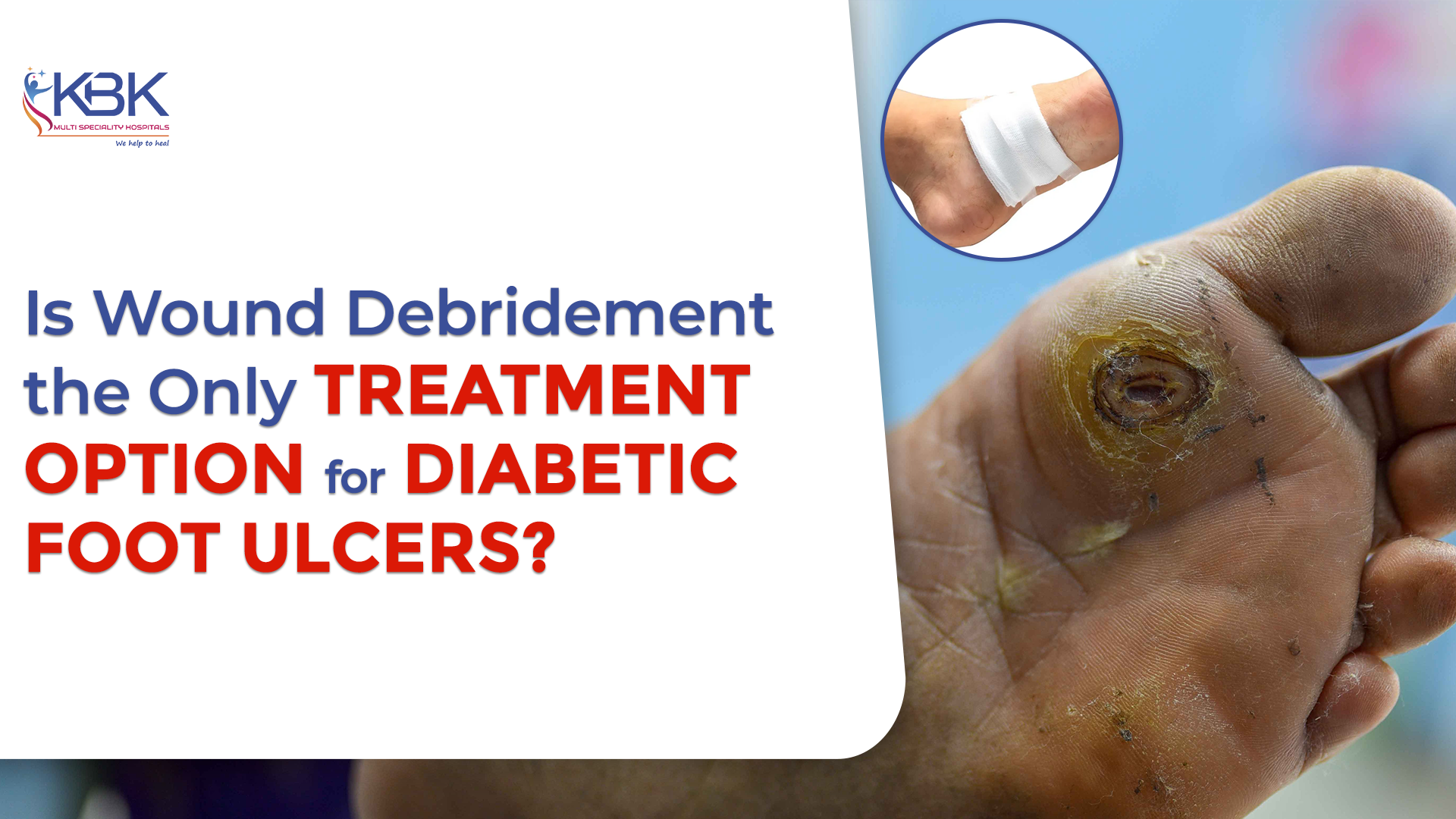
Is Wound Debridement the Only Treatment Option for Diabetic Foot Ulcers?

wound debridement

A diabetic foot ulcer is a slow-healing wound that forms due to poor blood flow, nerve damage, or infection in people with diabetes. These wounds need proper care because delays can lead to serious complications. Many people believe that wound debridement is the only way to treat diabetic foot ulcers, but that is not true. … Read more


How Cellulitis Spreads: From a Small Cut to a Serious Infection

cellulitis

Cellulitis is a common yet potentially serious bacterial skin infection that starts as a small, harmless cut but can quickly turn into a severe condition if left untreated. Many people underestimate its risks, assuming it’s just redness or irritation on the skin. However, cellulitis can spread fast and affect deeper layers of the skin and … Read more


How Sepsis Develops: From Infection to Life-Threatening Condition

sepsis

Sepsis is one of the most serious and fast-developing medical conditions that can arise from a simple infection. It occurs when the body’s immune system overreacts to an infection, damaging its own tissues and organs. Without timely care, sepsis can progress rapidly into a life-threatening emergency, known as septic shock, which may lead to organ … Read more


How Maintaining Normal Sugar Levels Helps Prevent Diabetic Foot Infections


Living with diabetes requires consistent attention and self-care—especially when it comes to keeping your normal sugar level stable. Beyond just managing energy and mood, maintaining steady blood sugar plays a crucial role in preventing diabetic foot infections and foot ulcers that can seriously affect daily life. In this comprehensive guide, we’ll explore how maintaining a … Read more


Impact of Obesity on Blood Circulation and Gangrene Risk

Obesity Risk

Keeping a healthy weight is important for the body to work well. Extra body fat can slow down blood flow and cause serious health issues. Obesity risk plays a big role in poor circulation, which can lead to dangerous conditions like gangrene. Knowing how obesity affects blood circulation helps in taking the right steps to … Read more


whatsapp chat Call Us