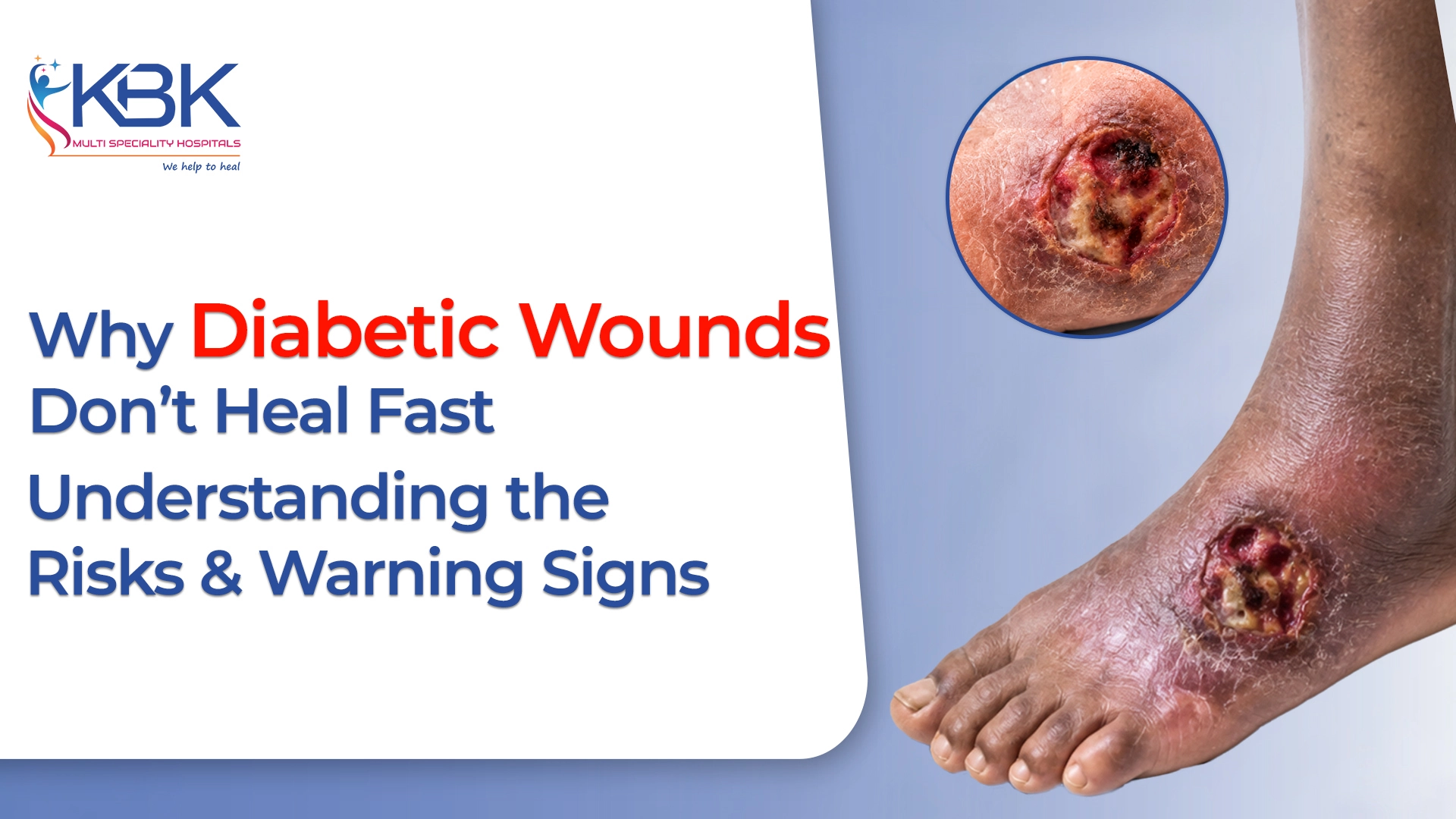
Why Diabetic Wounds Don’t Heal Fast

Foot Ulcer in Diabetes

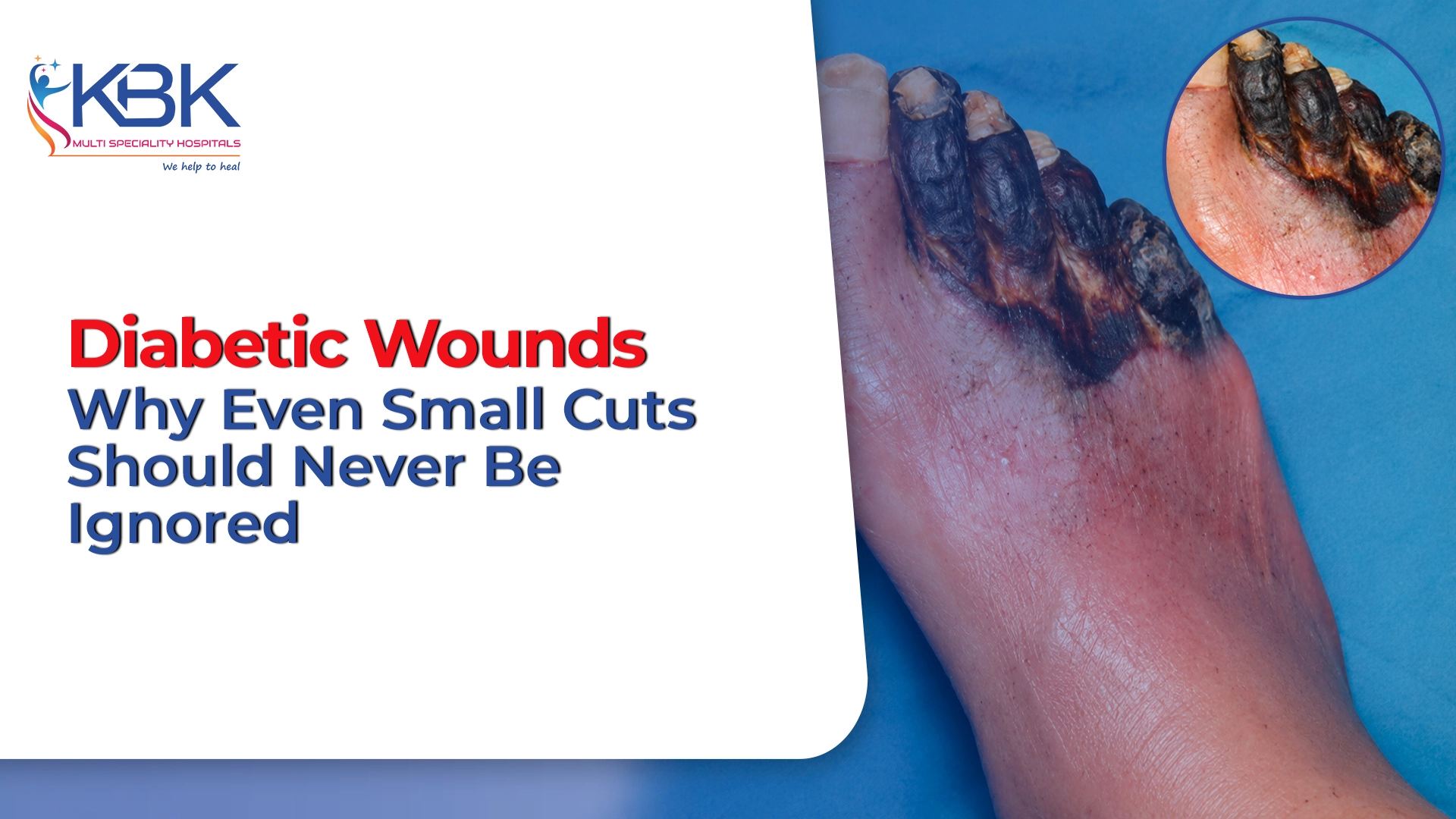
Even a small cut or blister can become a serious health concern for people with diabetes. Slow healing wounds are one of the most common complications associated with diabetes, especially when they affect the feet. A foot ulcer in diabetes can develop due to poor blood circulation, nerve damage, and weakened immunity, increasing the risk … Read more


Diabetic Foot Care: Essential Tips to Prevent Infections and Complications

Diabetic Foot Care

Introduction: Why Diabetic Foot Care Is Important Diabetic foot care is an essential part of managing diabetes and preventing serious foot problems. People with diabetes are more likely to develop poor blood circulation and nerve damage, which can reduce sensation in the feet. Even a small cut, blister, or wound can turn into a serious … Read more


Preventing Diabetic Foot Ulcers: Tips for All Ages

Preventing Diabetic Foot Ulcers

Diabetic Foot Ulcers are open sores or wounds that commonly develop on the feet of people with diabetes. They may seem small at first but can quickly become serious if not treated properly. They are considered one of the most serious complications of diabetes because they can lead to infections, hospitalization, and in severe cases, … Read more


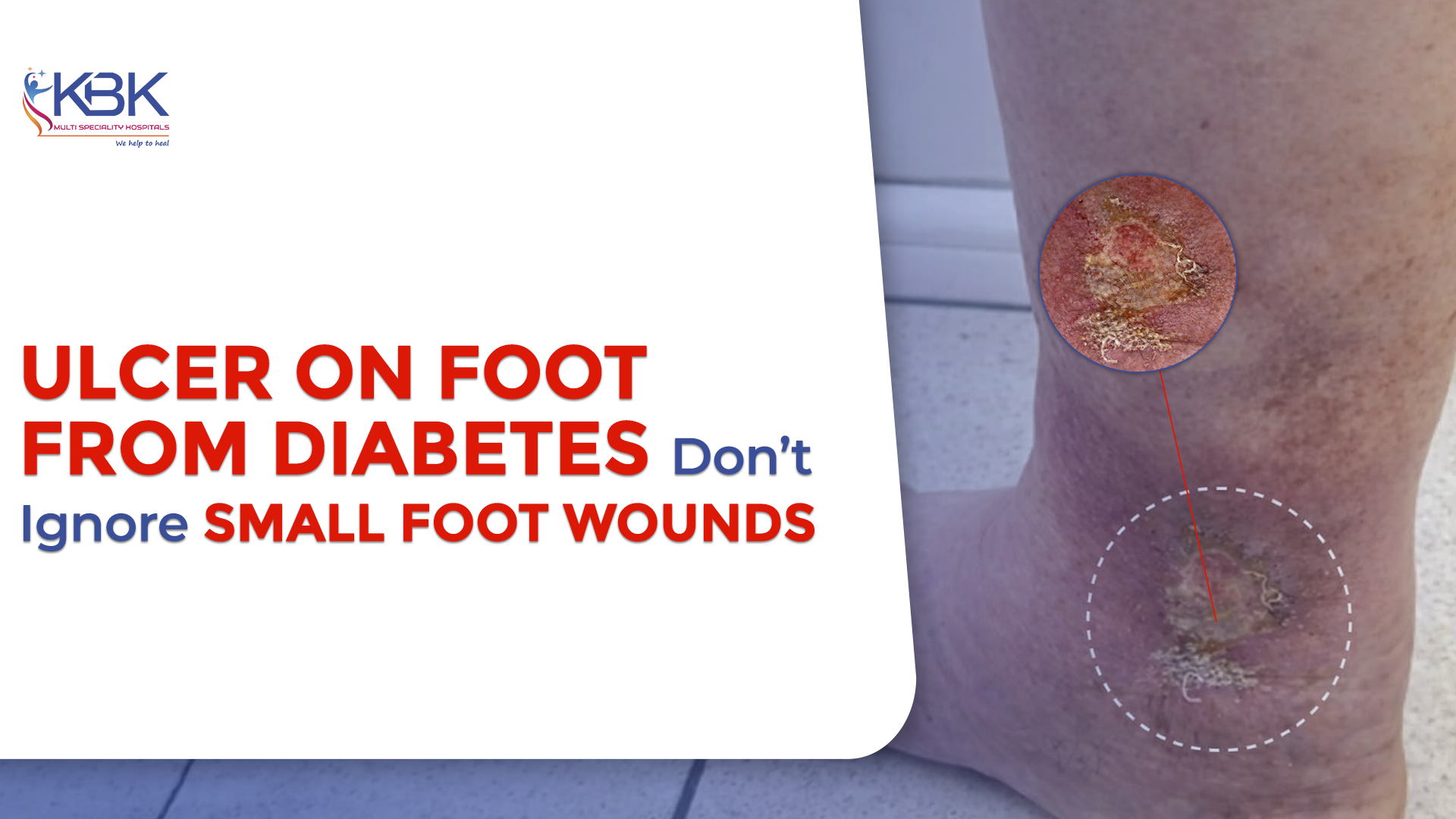
Ulcer on Foot from Diabetes: Don’t Ignore Small Foot Wounds

ulcer on foot from diabetes

Ulcer on foot from diabetes doesn’t usually start with something scary. For many people, it begins with a small cut, a shoe bite, or a cracked heel that feels like no big deal. Life gets busy, the wound is painless, and it’s easy to assume it will heal on its own. But diabetes changes how … Read more


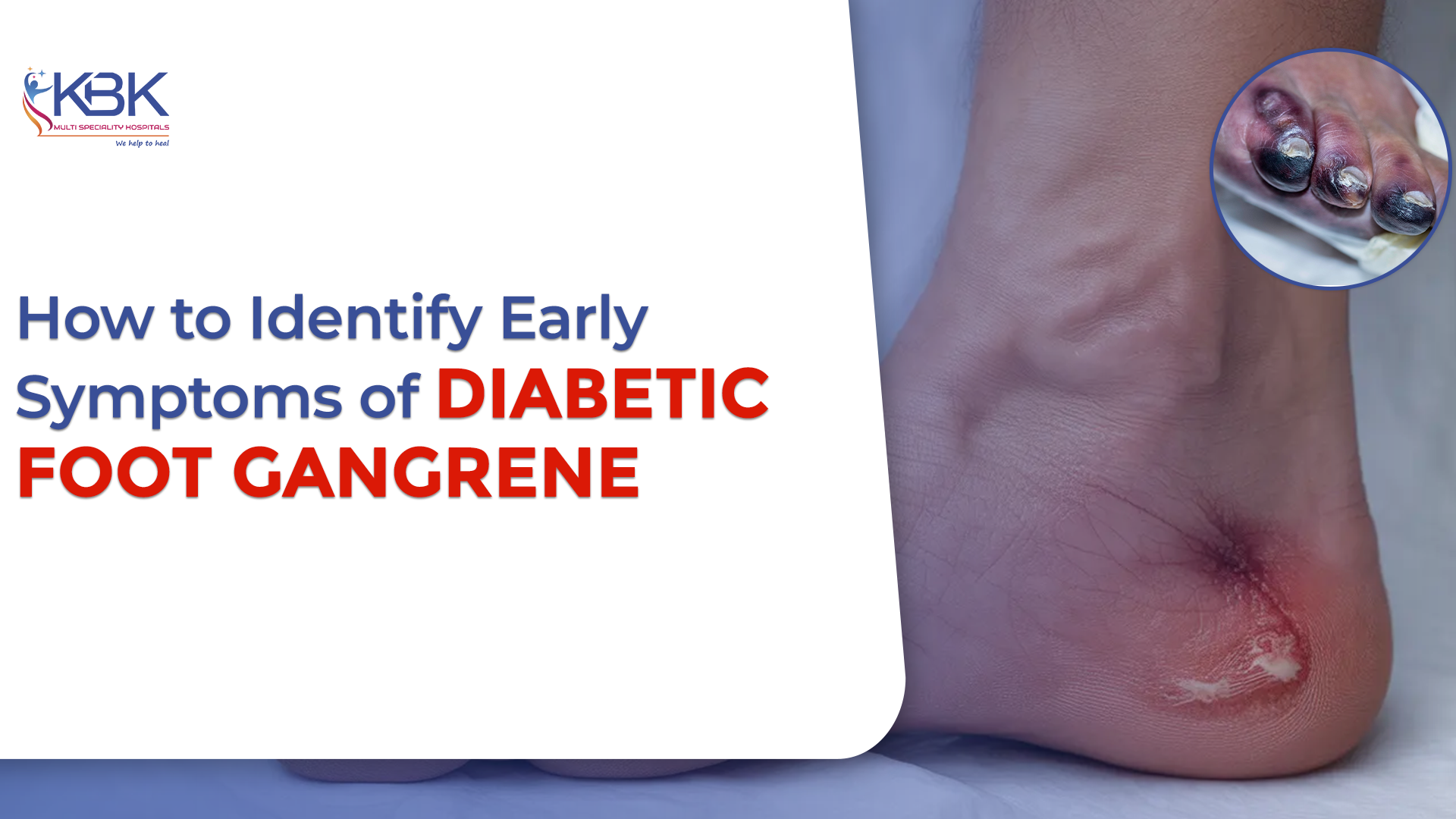
How to Identify Early Symptoms of Diabetic Foot Gangrene

How to Identify Early Symptoms of Diabetic Foot Gangrene

Diabetic foot gangrene is a serious complication that can develop when diabetes-related nerve damage and poor blood circulation affect the feet. Early identification is critical because timely medical care can help prevent severe tissue damage and protect overall health. Many people may not notice early changes due to reduced sensation, which is why awareness of … Read more


What Are the Symptoms of Diabetic Foot in Winter?

symptoms of diabetic foot

The symptoms of diabetic foot tend to worsen during winter due to cold temperatures, reduced blood circulation, and dry weather conditions. For people living with diabetes, winter can silently increase the risk of foot-related problems, even without obvious injury. Cold weather affects blood flow and nerve sensitivity, making it easier for small foot issues to … Read more


How to Prevent Diabetic Ulcer on Foot and Avoid Amputation

diabetic ulcer on foot

A diabetic ulcer on foot is one of the most common and serious complications faced by people living with diabetes. These ulcers often begin as small wounds but can quickly worsen due to poor blood circulation and reduced sensation in the feet. When not treated early, they may lead to severe infection and, in extreme … Read more


Why Diabetic Wounds Heal Slower During Winter

diabetic wounds

Diabetic wounds are already known to heal slower than normal wounds, but many patients and caregivers notice that healing becomes even more difficult during winter. Cold weather affects blood circulation, skin health, and immunity, all of which play an important role in wound recovery. Understanding why this happens can help people with diabetes take better … Read more


Is Wound Debridement the Only Treatment Option for Diabetic Foot Ulcers?

wound debridement

A diabetic foot ulcer is a slow-healing wound that forms due to poor blood flow, nerve damage, or infection in people with diabetes. These wounds need proper care because delays can lead to serious complications. Many people believe that wound debridement is the only way to treat diabetic foot ulcers, but that is not true. … Read more


whatsapp chat Call Us