

Introduction: Why Diabetic Foot Care Is Important
Diabetic foot care is an essential part of managing diabetes and preventing serious foot problems. People with diabetes are more likely to develop poor blood circulation and nerve damage, which can reduce sensation in the feet. Even a small cut, blister, or wound can turn into a serious infection if not treated early.
Proper foot care helps prevent infections, ulcers, and complications such as diabetic foot ulcers, cellulitis, and even Gangrene in severe cases.
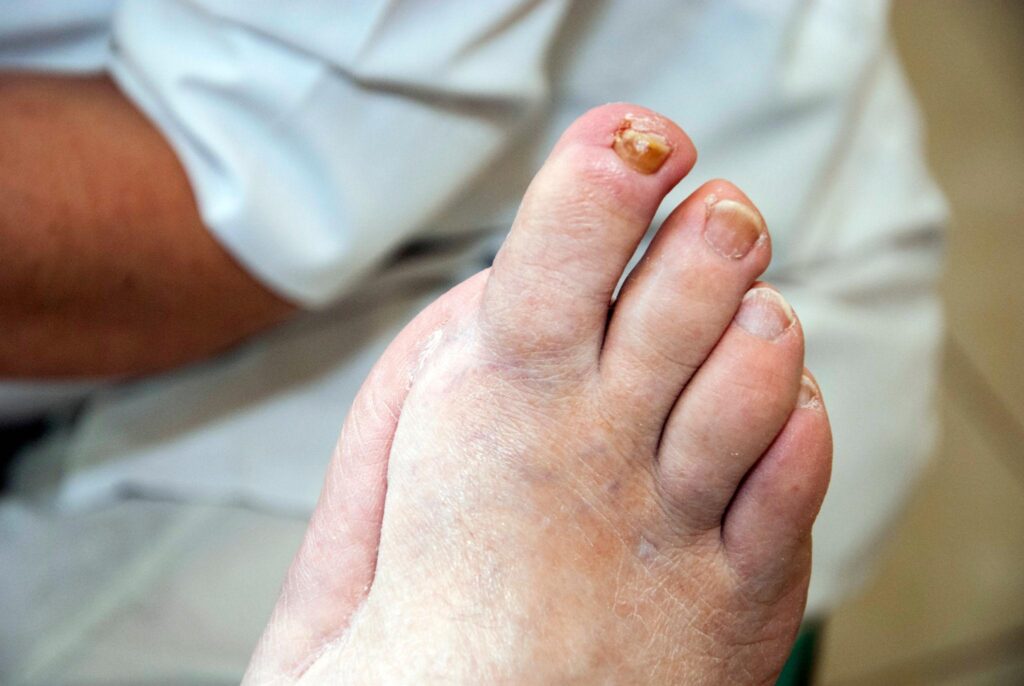
Simple Explanation of Diabetic Foot Care
What is diabetic foot care?
Diabetic foot care includes daily foot cleaning, checking for wounds, proper footwear, blood sugar control, and regular medical checkups to prevent infections and complications.
People with diabetes may not always feel pain due to nerve damage, making early care extremely important.
Common Foot Problems in Diabetes
Without proper foot care, several complications can develop.
Common Diabetic Foot Problems:
- Dry or cracked skin
- Foot swelling
- Corns or calluses
- Slow-healing wounds
- Foot infections
- Numbness or tingling sensation
Serious Complications:
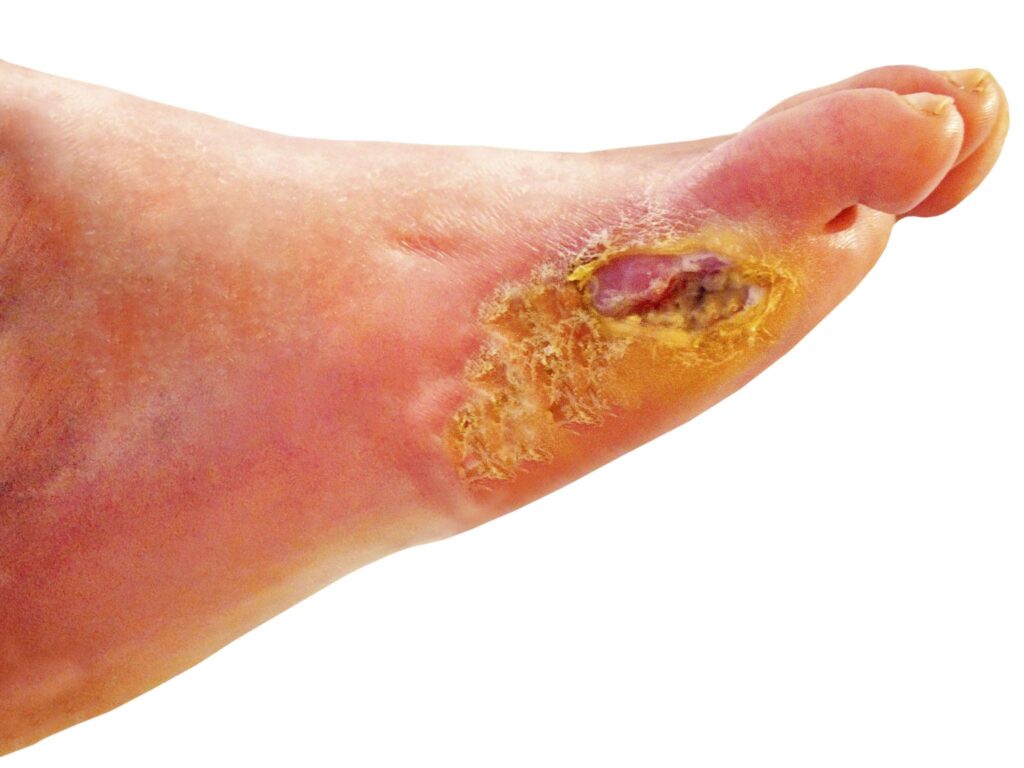
- Diabetic foot ulcers caused by untreated wounds
- Skin infections like cellulitis
- Poor circulation linked to varicose veins
- Severe infection leading to gangrene
Early foot care can help prevent these complications.

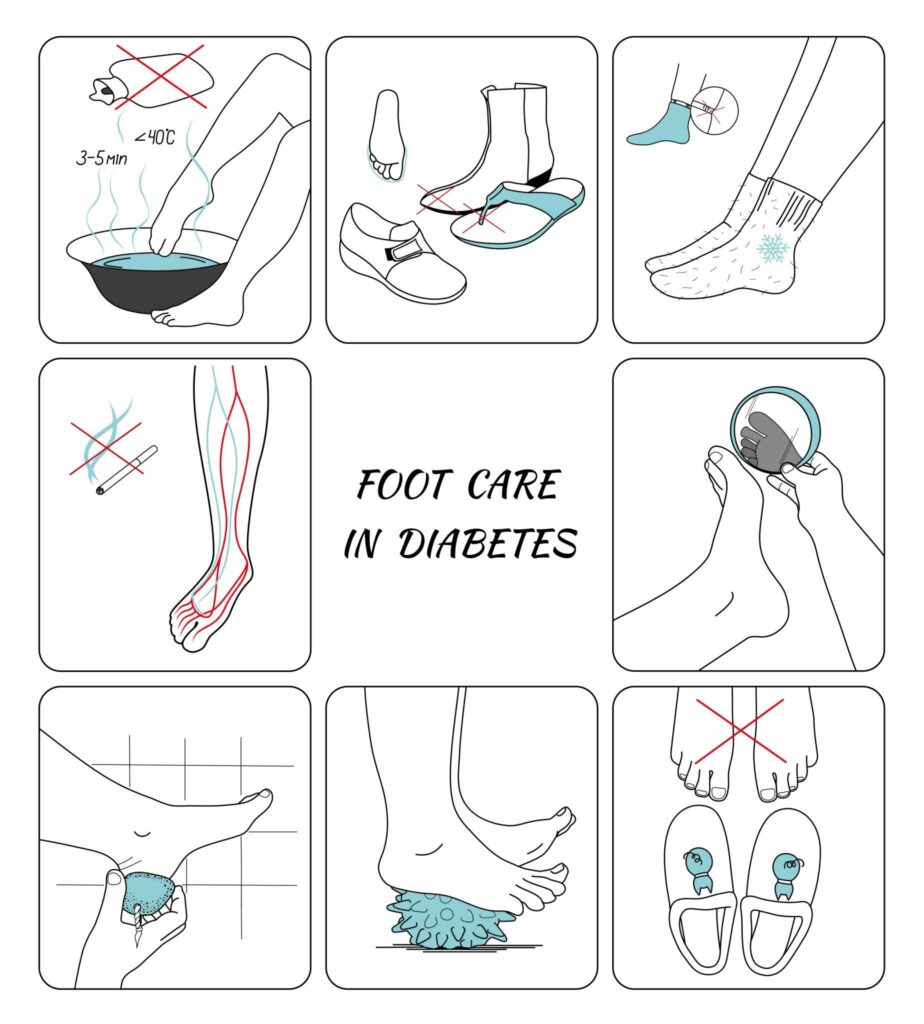
Essential Diabetic Foot Care Tips
Following daily diabetic foot care habits can reduce the risk of infection and serious complications.
1. Check Your Feet Daily
Look for:
- Cuts or wounds
- Redness or swelling
- Blisters
- Skin color changes
Early detection is one of the most important parts to avoid diabetic foot ulcer.
2. Wash and Dry Your Feet Properly
- Wash feet daily with lukewarm water
- Dry carefully, especially between toes
- Apply moisturizer to prevent dryness
Avoid applying lotion between the toes to reduce infection risk.
3. Wear Proper Footwear
- Use comfortable, well-fitting shoes
- Avoid walking barefoot
- Wear clean, soft socks
4. Control Blood Sugar Levels
High blood sugar can slow healing and increase infection risk.
5. Avoid Smoking
Smoking reduces blood flow to the feet and increases the risk of complications.
6. Get Regular Foot Checkups
Regular medical checkups help detect problems early before they become severe.
Quick Overview:
| Tip | Benefit |
| Daily foot inspection | Detects wounds early |
| Proper footwear | Prevents injuries |
| Blood sugar control | Supports healing |
| Regular checkups | Prevents complications |
Warning Signs You Should Never Ignore
Seek medical attention immediately if you notice:
- Non-healing wounds
- Swelling or redness
- Pus or foul smell
- Blackened skin
- Fever with foot infection
These may be signs of serious complications requiring urgent care.
Treatment for Diabetic Foot Problems
If complications develop, conditions such as diabetic foot ulcers may require treatments including
- Wound cleaning and dressing
- Antibiotics for infection
- Specialized care for diabetic foot ulcers
- Treatment for cellulitis or circulation issues
- Surgery in severe cases like gangrene
Early treatment improves recovery and helps prevent severe complications.
FAQs on Diabetic Foot Care
1. Why is diabetic foot care important?
Diabetic foot inspection prevent infections, ulcers, and serious foot complications.
2. How often should diabetic patients check their feet?
Daily foot inspection is recommended as part of regular foot care.
3. Can diabetes cause foot infections?
Yes, poor circulation and nerve damage increase the risk of infections.
4. When should I see a doctor?
Consult a doctor if you notice wounds, swelling, redness, or pain that does not improve.



1 thought on “Diabetic Foot Care: Essential Tips to Prevent Infections and Complications”
Comments are closed.