
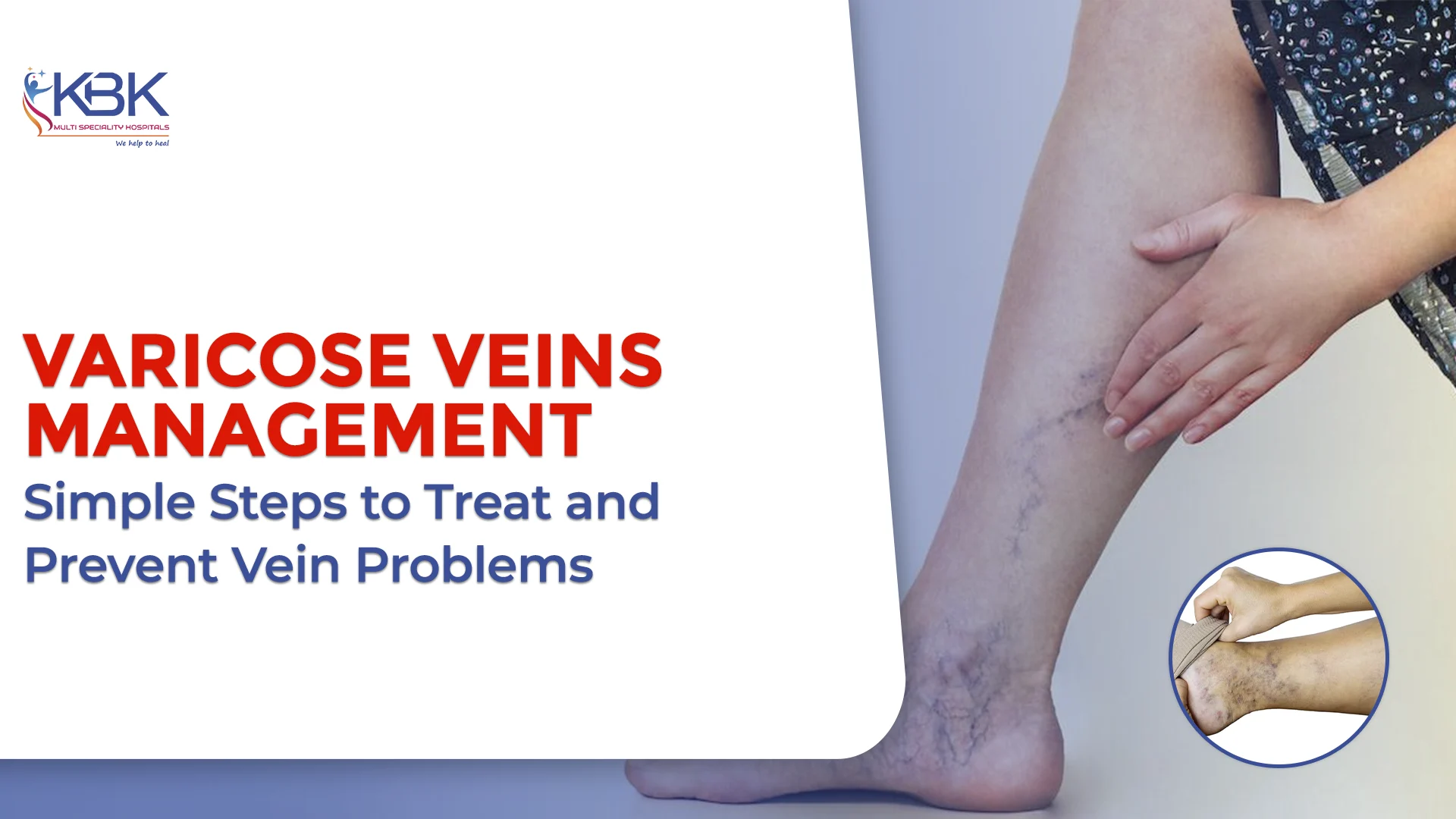
Introduction: Why Management of Varicose Veins Matters
The management of varicose veins is important for both comfort and long-term health. What may begin as visible, swollen veins can lead to pain, heaviness, and complications if ignored. With the right management of varicose veins, you can reduce symptoms, improve blood flow, and prevent the condition from worsening.
Varicose veins can lead to complications like skin infections such as cellulitis or untreated wounds like diabetic foot ulcers if not managed properly.
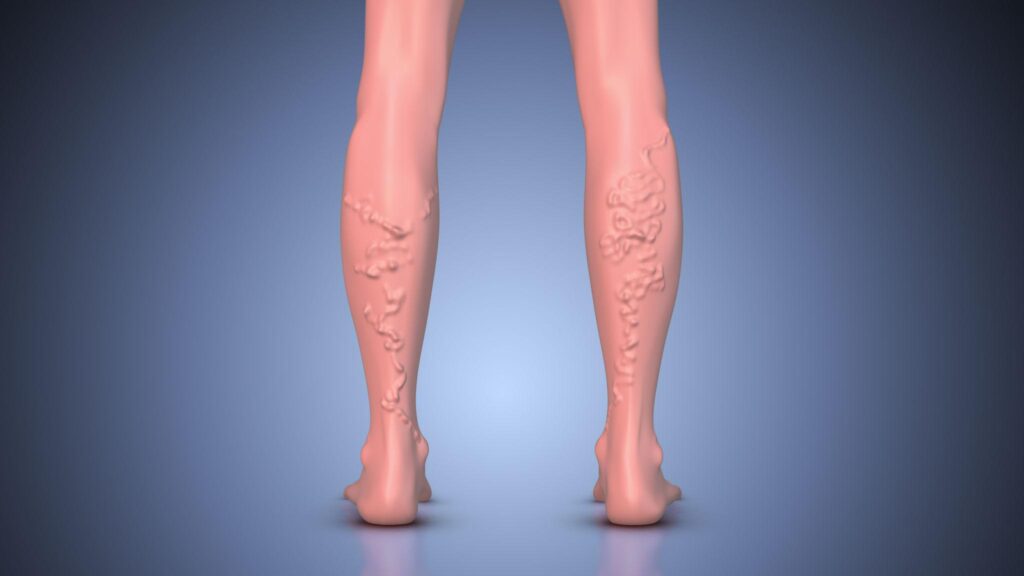
Simple Explanation of Varicose Veins
Varicose veins are swollen, twisted veins that usually appear on the legs. They occur when the valves in the veins become weak, causing blood to flow backward and pool in the veins.
What is management of varicose veins?
The management of varicose veins includes medical treatments, lifestyle changes, and preventive steps to reduce symptoms and improve circulation.
Symptoms That Require Management of Varicose Veins
Recognizing symptoms early helps in better management of varicose veins.
Common Symptoms:
- Bulging, twisted veins (blue or purple)
- Leg pain or heaviness
- Swelling in the legs
- Burning or throbbing sensation
- Itching around veins
Advanced Symptoms:
- Skin discoloration
- Leg ulcers
- Bleeding veins
- Increased swelling
👉 If symptoms worsen, proper management of varicose veins is essential.
In advanced cases, poor circulation may increase the risk of serious conditions like gangrene.
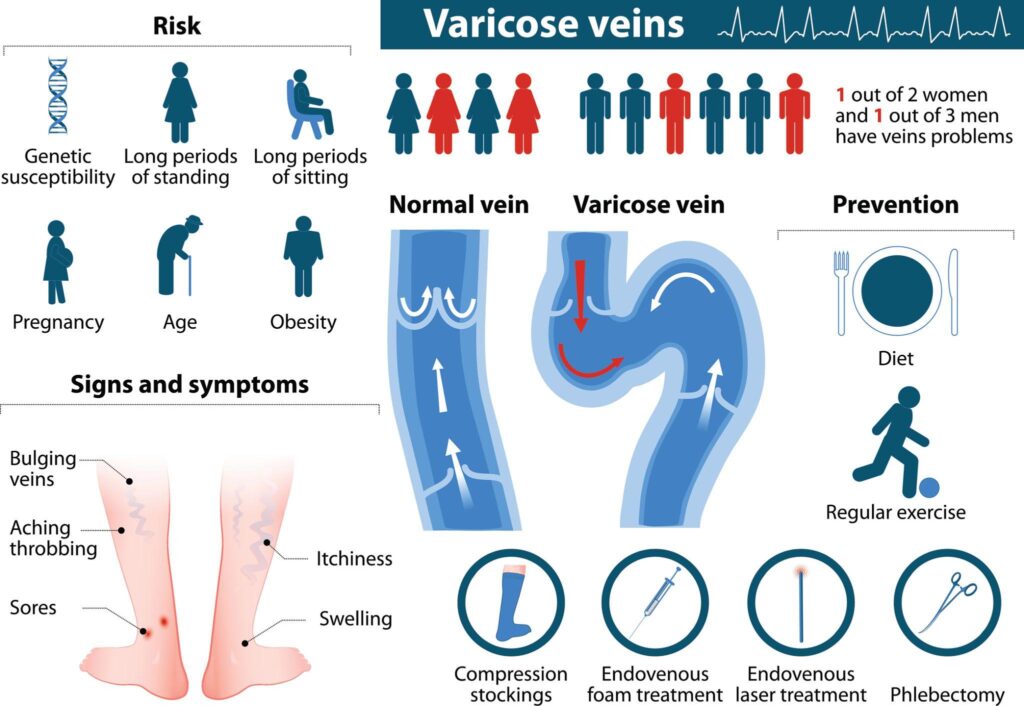
Treatment Options for Management of Varicose Veins
Treatment depends on the severity of the condition.
Medical Treatments:
- Compression stockings to improve blood flow
- Medications to reduce swelling and discomfort
- Laser treatment to close affected veins
- Sclerotherapy (injecting solution to shrink veins)
- Surgery in severe cases
👉 These treatments are commonly used in the management of varicose veins to reduce symptoms and prevent complications.
For effective management of varicose veins, advanced treatment options are available at specialized centers offering varicose veins treatment.
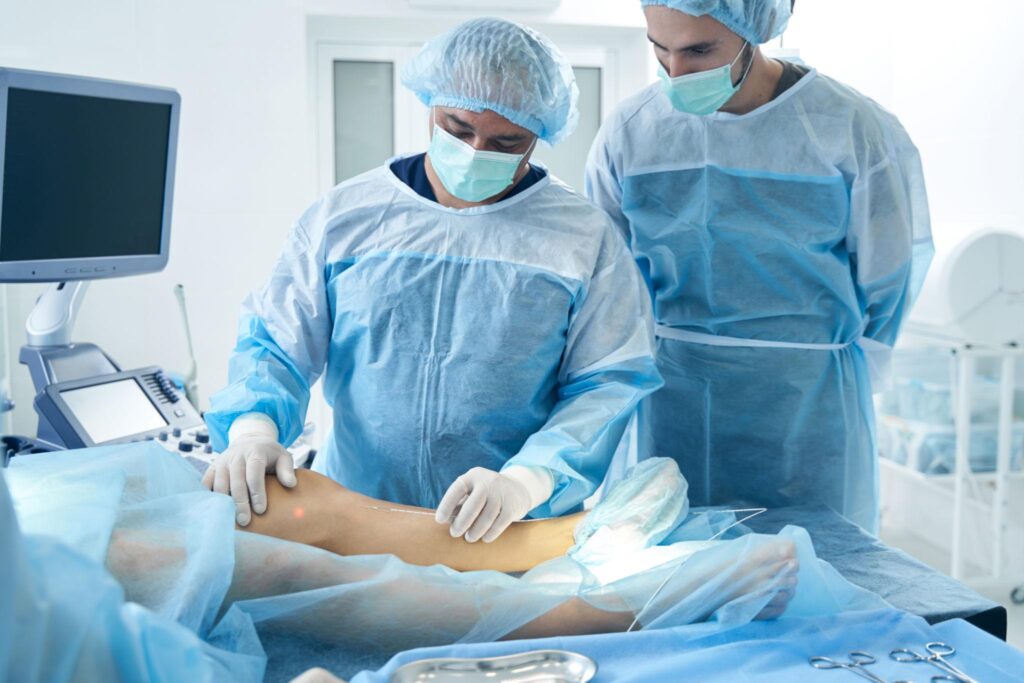
Lifestyle Changes for Management of Varicose Veins
Simple daily habits can greatly improve the management of varicose veins.
Helpful Lifestyle Tips:
- Exercise regularly (walking, cycling)
- Avoid long periods of standing or sitting
- Elevate your legs while resting
- Maintain a healthy weight
- Wear comfortable, loose clothing
👉 These changes help improve circulation and support better management of varicose veins.
Prevention Tips for Varicose Veins
Preventing the condition is a key part of the management of varicose veins.
Prevention Tips:
- Stay physically active
- Avoid tight clothing that restricts blood flow
- Take breaks if you sit or stand for long hours
- Use compression stockings if recommended
- Keep your legs elevated when possible
Quick Overview: Management of Varicose Veins
| Method | Purpose |
| Medical Treatment | Reduce symptoms & treat veins |
| Lifestyle Changes | Improve blood flow |
| Prevention | Avoid worsening of condition |
Doctor Advice on Management of Varicose Veins
Doctors recommend early management of varicose veins to avoid complications.
👉 Ignoring the condition may lead to:
- Chronic pain
- Skin problems
- Ulcers
- Blood clots
👉 Early treatment and lifestyle care are the best approach.
FAQs on Management of Varicose Veins
1. What is the best management of varicose veins?
The best management of varicose veins includes a combination of treatment, lifestyle changes, and prevention.
2. Can varicose veins go away on their own?
No, proper management of varicose veins is needed to control symptoms.
3. Is surgery always required?
No, many cases can be managed without surgery.
4. Can exercise help?
Yes, exercise plays a key role in the management of varicose veins.


1 thought on “Management of Varicose Veins: Treatments, Lifestyle Changes, and Prevention Tips”
Comments are closed.