
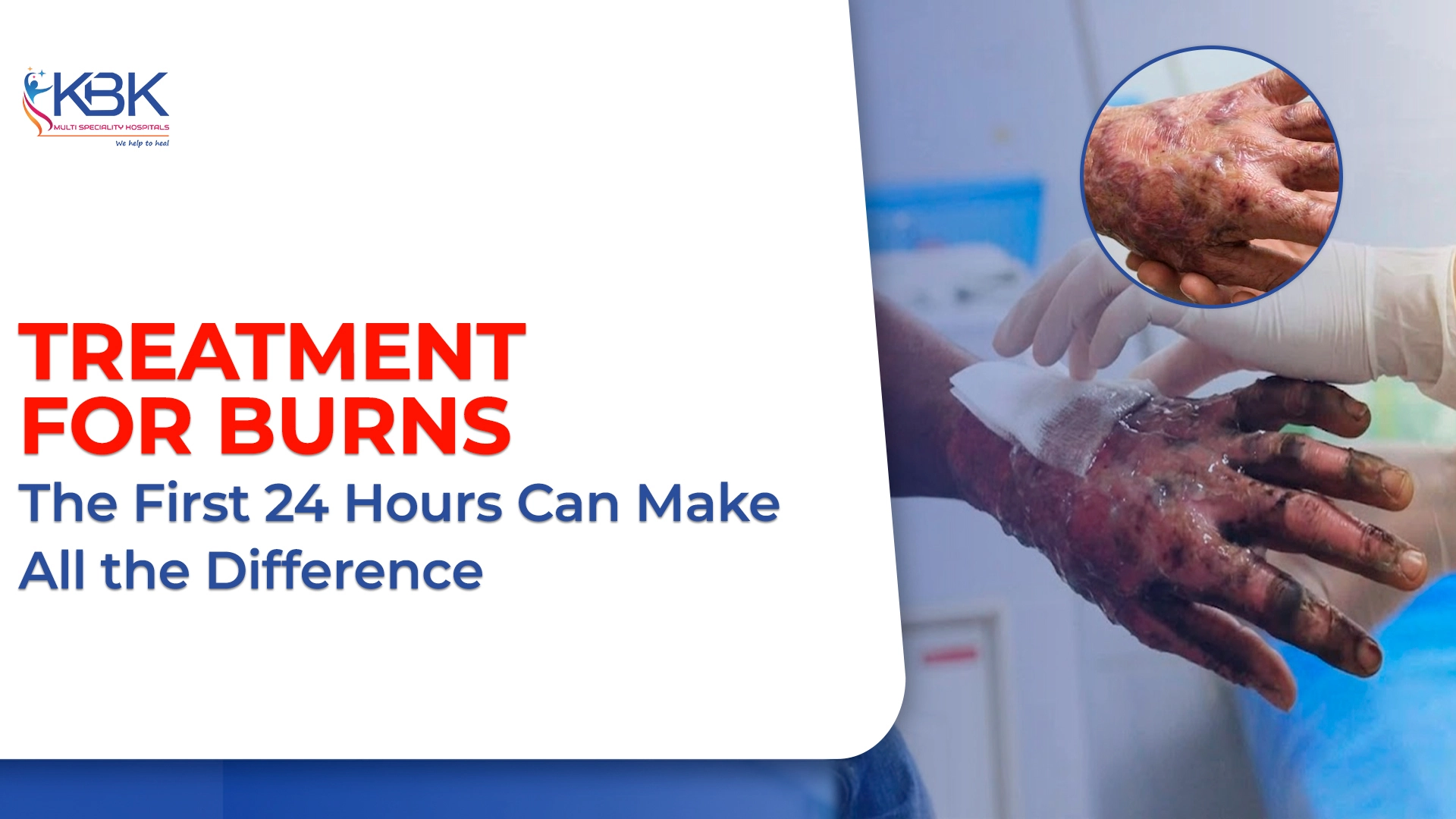
Treatment for burns during the first 24 hours can significantly influence the healing process and reduce the risk of complications. Whether caused by hot liquids, fire, steam, chemicals, electricity, or contact with hot surfaces, burns can damage the skin and underlying tissues within seconds.
Many people underestimate the importance of early burn care. However, the actions taken immediately after a burn injury can help minimize tissue damage, prevent infection, reduce pain, and support faster recovery. Understanding the correct first-aid measures and knowing when to seek medical attention are essential parts of effective burn treatment.
Why the First 24 Hours Matter
The first day after a burn injury is often the most critical period for recovery.
During this time:
- Tissue damage may continue beneath the skin
- Swelling and inflammation may increase
- Infection risks begin to develop
- Pain levels may worsen
- Deeper burns may become more apparent
Proper treatment for burns during this stage can help improve healing outcomes and reduce long-term complications.
Step 1: Move Away from the Source of the Burn
The first priority is ensuring safety.
Immediately:
- Move away from the heat source
- Turn off electricity if applicable
- Remove the affected person from chemical exposure
- Extinguish flames safely
Preventing further injury is the first step in burn management.
Step 2: Cool the Burn Immediately
Cooling the burn helps reduce heat trapped in the skin and may limit tissue damage.
Recommended burn first aid:
- Hold the burned area under cool running water for 20 minutes
- Use clean, cool water only
- Remove tight jewelry or accessories near the burn area
Avoid:
- Ice
- Ice water
- Butter
- Toothpaste
- Home remedies
These may worsen skin damage and delay healing.
Step 3: Protect the Burned Area
Once the burn has cooled:
- Cover it with a clean, non-stick dressing
- Use sterile gauze if available
- Avoid applying pressure
Protecting the wound helps reduce contamination and supports proper burn wound care
Step 4: Manage Pain Safely
Burn injuries can be painful, especially during the first few hours
Common recommendations include:
- Resting the affected area
- Keeping the burn elevated if possible
- Following medical advice for pain management
Severe pain should always be evaluated by a healthcare professional
Step 5: Stay Hydrated
Burn injuries can cause fluid loss through damaged skin
Patients should:
- Drink plenty of water
- Maintain adequate hydration
- Monitor for signs of dehydration
Hydration plays an important role in burn recovery and tissue healing
Warning Signs That Require Immediate Medical Attention
Some burns require professional medical treatment regardless of their size
Seek medical care if:
The Burn Is Deep
Deep burns may appear:
- White
- Charred
- Brown
- Black
These burns often affect deeper tissues and require specialized care.
Large Areas of Skin Are Affected
Burns larger than the palm of the hand should be evaluated by a healthcare professional
The Face, Hands, Feet, or Genitals Are Involved
Burns affecting sensitive areas require prompt medical assessment
Chemical or Electrical Burns Occur
Even small chemical or electrical burns may cause significant internal damage
Signs of Burn Infection Develop
Early symptoms may include:
- Increasing redness
- Swelling
- Pus discharge
- Foul odor
- Fever
These signs may indicate a developing infection
Common Mistakes People Make After a Burn
Many patients unintentionally delay healing by using incorrect treatment methods
Common mistakes include:
- Applying toothpaste
- Using butter or oils
- Popping blisters
- Ignoring pain
- Delaying medical care
- Using unclean dressings
These practices may increase infection risk and worsen tissue damage
How Specialists Treat Burn Injuries
At specialized wound care centers, burn treatment may include:
Advanced Wound Cleaning
Removing contaminants and damaged tissue
Specialized Burn Dressings
Protecting the wound while supporting healing
Infection Prevention
Monitoring and managing bacterial contamination
Pain Management
Improving patient comfort during recovery
Advanced Wound Care Therapies
Supporting tissue repair and reducing complications
Early intervention often improves recovery outcomes.
Who Is at Higher Risk of Burn Complications?
Certain individuals may require closer monitoring
High-risk groups include:
- People with diabetes
- Elderly individuals
- Young children
- Patients with poor circulation
- Individuals with weakened immunity
These patients may experience slower healing and higher infection risks
Expert Tips for Faster Burn Recovery
Burn specialists commonly recommend:
✔ Cooling burns immediately
✔ Keeping wounds clean
✔ Staying hydrated
✔ Following dressing instructions
✔ Monitoring for infection
✔ Attending follow-up appointments
✔ Seeking medical attention when symptoms worsen
These steps help support safe healing and reduce complications.
Conclusion
Treatment for burns during the first 24 hours plays a crucial role in determining how well the injury heals. Immediate cooling, wound protection, hydration, and early recognition of complications can significantly improve recovery outcomes.
While minor burns may heal with proper care, deeper burns and burns showing signs of infection should always be evaluated by a healthcare professional. Prompt treatment helps reduce complications, improve healing, and support long-term recovery.
Frequently Asked Questions
What is the best treatment for burns during the first 24 hours?
Cooling the burn with running water, protecting the wound, staying hydrated, and seeking medical care when necessary are important first steps
Should I put ice on a burn?
No. Ice can damage tissues further and may worsen the injury
How do I know if a burn is serious?
Deep burns, large burns, electrical burns, chemical burns, and burns affecting sensitive areas require immediate medical attention
Can a burn become infected within the first few days?
Yes. Burn wounds are vulnerable to infection, especially if not cleaned and protected properly