
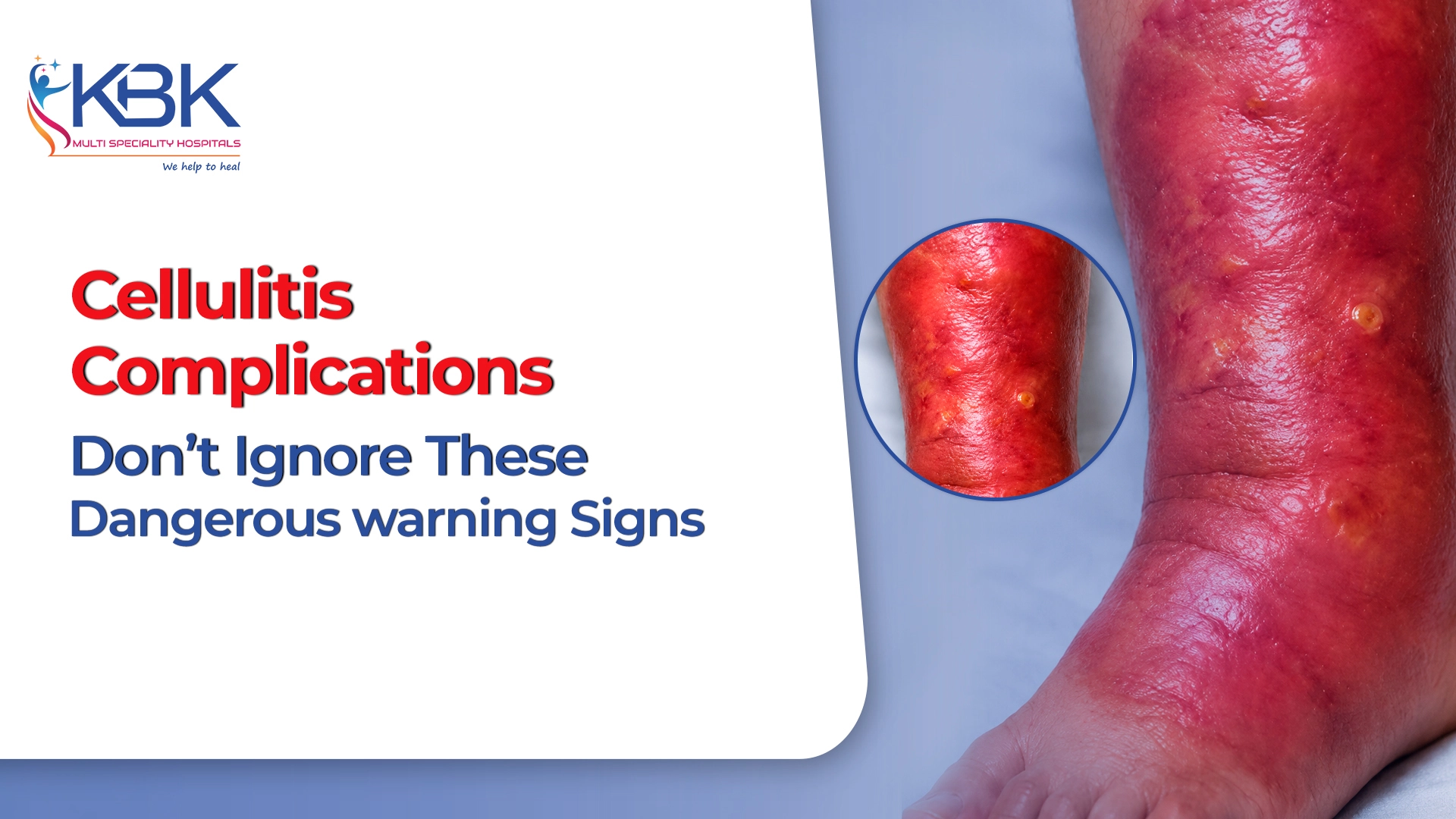
Cellulitis is a common bacterial skin infection that affects the deeper layers of the skin and surrounding tissues. While it may initially appear as mild redness or swelling, ignoring the infection can lead to serious health problems. Many people often ask, “Is cellulitis dangerous?” The answer is yes — untreated cellulitis can spread rapidly and cause severe complications if proper medical care is delayed.
Recognizing severe cellulitis symptoms early is important to prevent infection from spreading to deeper tissues, the bloodstream, or other parts of the body.
What Is Cellulitis?
Cellulitis is a bacterial infection that commonly affects the legs, feet, arms, or face. The infection usually develops when bacteria enter the skin through cuts, wounds, ulcers, insect bites, or cracked skin.
People with diabetes, weak immunity, poor circulation, or chronic wounds are at a higher risk of developing cellulitis.
Is Cellulitis Dangerous?
Many patients ignore cellulitis in its early stages, assuming it is a simple skin irritation. However, cellulitis can become dangerous if the infection spreads beyond the skin.
Without treatment, bacteria may enter deeper tissues and the bloodstream, leading to serious medical emergencies.
Severe Cellulitis Symptoms You Should Never Ignore
Recognizing the warning signs early can help prevent serious complications.
Common severe cellulitis symptoms include:
- rapidly spreading redness
- severe swelling
- skin warmth
- intense pain or tenderness
- fever and chills
- pus discharge
- skin discoloration
- blisters or abscess formation
- difficulty walking due to pain
- fatigue or weakness
Patients with diabetes should be especially careful, as infections may worsen quickly.
Untreated Cellulitis Risks
Ignoring cellulitis symptoms can lead to several serious health complications.
1. Spread of Infection
The infection may spread to nearby tissues, muscles, and lymph nodes. In severe cases, bacteria can enter the bloodstream and affect other organs.
2. Abscess Formation
Untreated cellulitis may lead to painful pus-filled abscesses that require drainage and advanced medical care.
3. Tissue Damage
Severe infection can damage surrounding skin and soft tissues, increasing the risk of long-term complications.
4. Gangrene
Poor blood circulation and severe infection may sometimes lead to tissue death, also known as gangrene. This condition requires immediate medical attention.
5. Sepsis
One of the most dangerous cellulitis complications is sepsis a life-threatening condition caused by the body’s extreme response to infection.
Symptoms of sepsis may include:
- high fever
- rapid heartbeat
- confusion
- low blood pressure
- breathing difficulty
Who Is at Higher Risk of Severe Cellulitis?
Certain individuals are more likely to develop serious complications.
High-risk groups include:
- diabetic patients
- elderly individuals
- people with poor circulation
- patients with leg ulcers
- individuals with weak immunity
- people with chronic skin conditions
Causes of Cellulitis
Common causes include:
- cuts and wounds
- insect bites
- cracked skin
- diabetic foot ulcers
- surgical wounds
- untreated skin infections
Poor hygiene and delayed wound care can increase infection risk.
When Should You See a Doctor?
Immediate medical care is necessary if you notice:
- spreading redness
- worsening swelling
- severe pain
- pus discharge
- fever with skin infection
- blackened skin
- non-healing wounds
- sudden weakness or chills
Early treatment can help prevent severe cellulitis complications.
Treatment Options for Cellulitis
Treatment depends on the severity of the infection.
Common treatment methods include:
- antibiotics
- wound cleaning
- pain management
- advanced wound care
- infection control
- diabetic wound management
- drainage of abscesses if necessary
Patients with severe infection may require hospitalization for intensive treatment.
How to Prevent Cellulitis
You can reduce the risk of cellulitis by:
- cleaning wounds immediately
- keeping skin moisturized
- managing diabetes properly
- avoiding scratching skin injuries
- wearing protective footwear
- seeking treatment for non-healing wounds
Proper skin care and early infection management are important preventive measures.
Frequently Asked Questions
Can cellulitis go away without treatment?
Mild cellulitis may temporarily improve, but bacterial infections usually require medical treatment to prevent complications.
Is cellulitis dangerous for diabetic patients?
Yes. Diabetes affects wound healing and immunity, increasing the risk of severe infection and complications.
What happens if cellulitis is left untreated?
Untreated cellulitis risks include abscess formation, tissue damage, gangrene, bloodstream infection, and sepsis.
How do I know if cellulitis is becoming severe?
Rapidly spreading redness, fever, severe swelling, pus discharge, and worsening pain are common severe cellulitis symptoms.
Conclusion
Cellulitis should never be ignored, especially when symptoms worsen rapidly. Although it may begin as a mild skin infection, untreated cellulitis risks can become serious and life-threatening. Recognizing severe cellulitis symptoms early and seeking prompt medical care can help prevent complications such as tissue damage, gangrene, or sepsis.
Patients with diabetes, poor circulation, or non-healing wounds should be particularly careful, as cellulitis complications may progress quickly without proper treatment.