Blogs

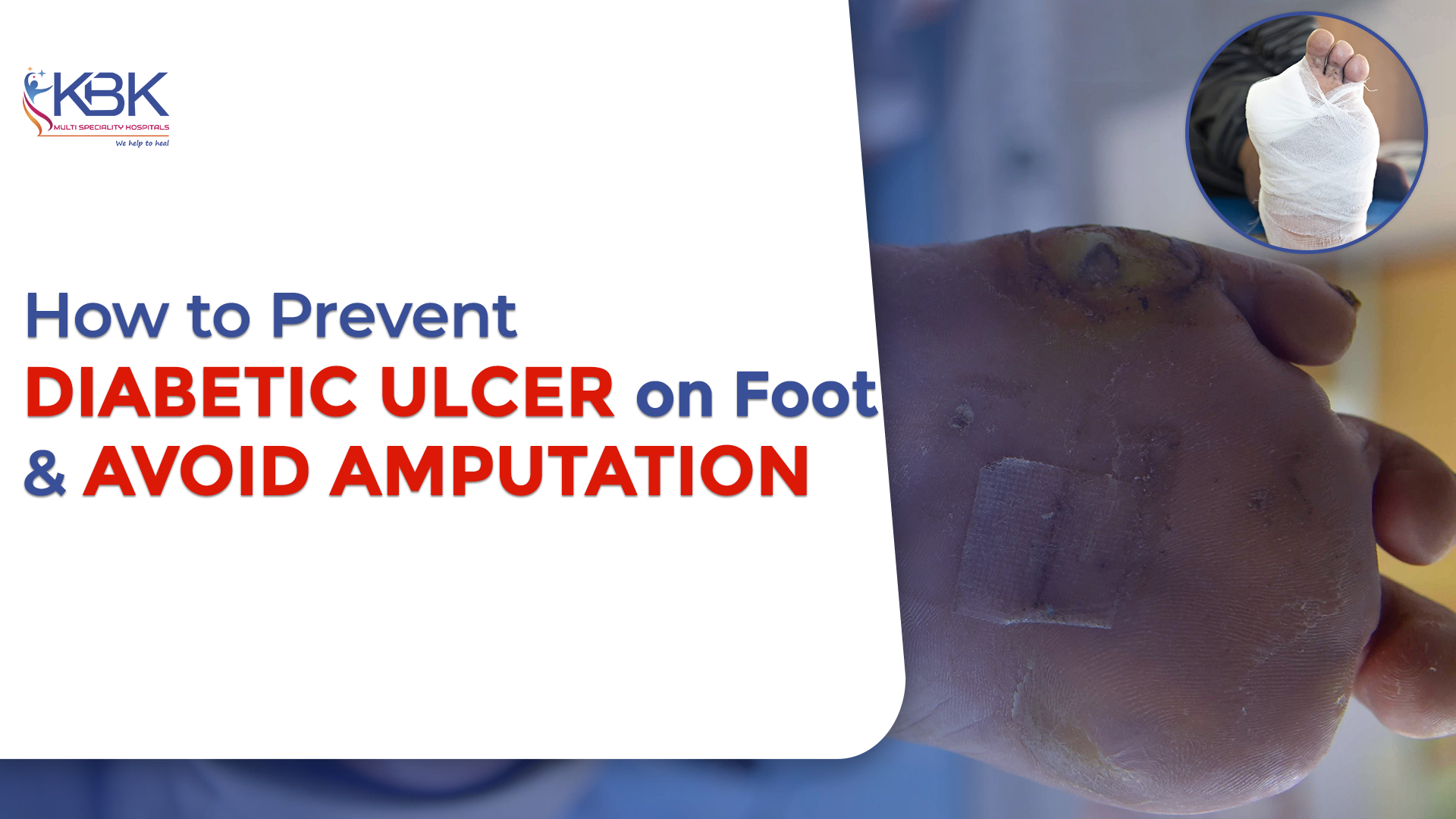
How to Prevent Diabetic Ulcer on Foot and Avoid Amputation

diabetic ulcer on foot

A diabetic ulcer on foot is one of the most common and serious complications faced by people living with diabetes. These ulcers often begin as small wounds but can quickly worsen due to poor blood circulation and reduced sensation in the feet. When not treated early, they may lead to severe infection and, in extreme … Read more


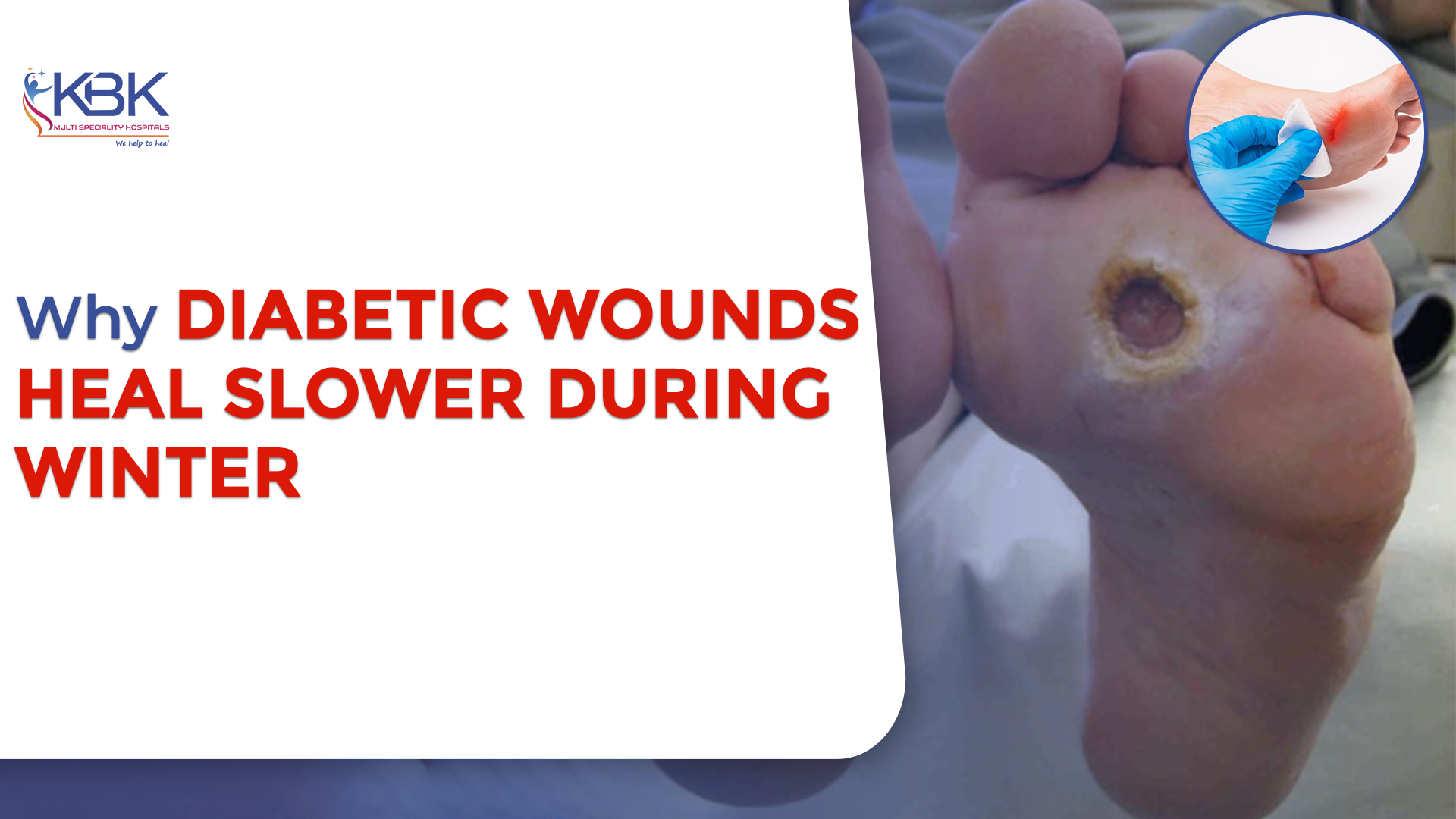
Why Diabetic Wounds Heal Slower During Winter

diabetic wounds

Diabetic wounds are already known to heal slower than normal wounds, but many patients and caregivers notice that healing becomes even more difficult during winter. Cold weather affects blood circulation, skin health, and immunity, all of which play an important role in wound recovery. Understanding why this happens can help people with diabetes take better … Read more


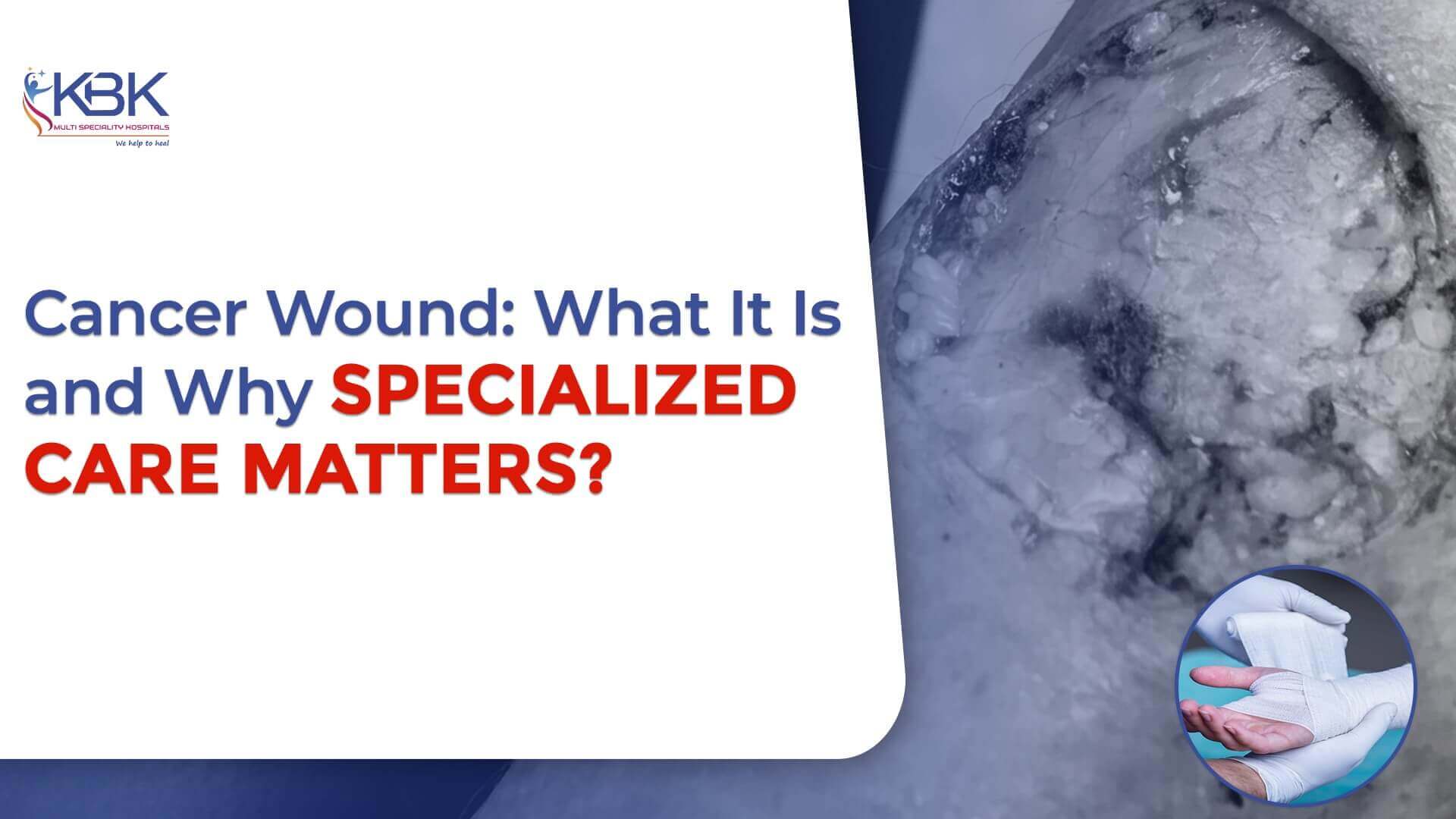
Cancer Wound: What It Is and Why Specialized Care Matters


A cancer wound, also known as a malignant wound or fungating wound, is a complex skin breakdown that develops when a cancer tumor grows into the skin or when cancer treatments affect healthy tissues. These wounds are often painful, difficult to heal, and emotionally challenging for patients and families. Understanding what a cancer wound is … Read more


Is Amputation the Only Option for Severe Foot Infections?

amputation

Many people fear that amputation is the only solution for severe foot infections. However, modern medical care now offers safer and more effective options that help save the limb. Early treatment, proper wound care, and timely diagnosis greatly reduce complications and lower the chances of major procedures. What Is Amputation? Amputation is a medical procedure … Read more


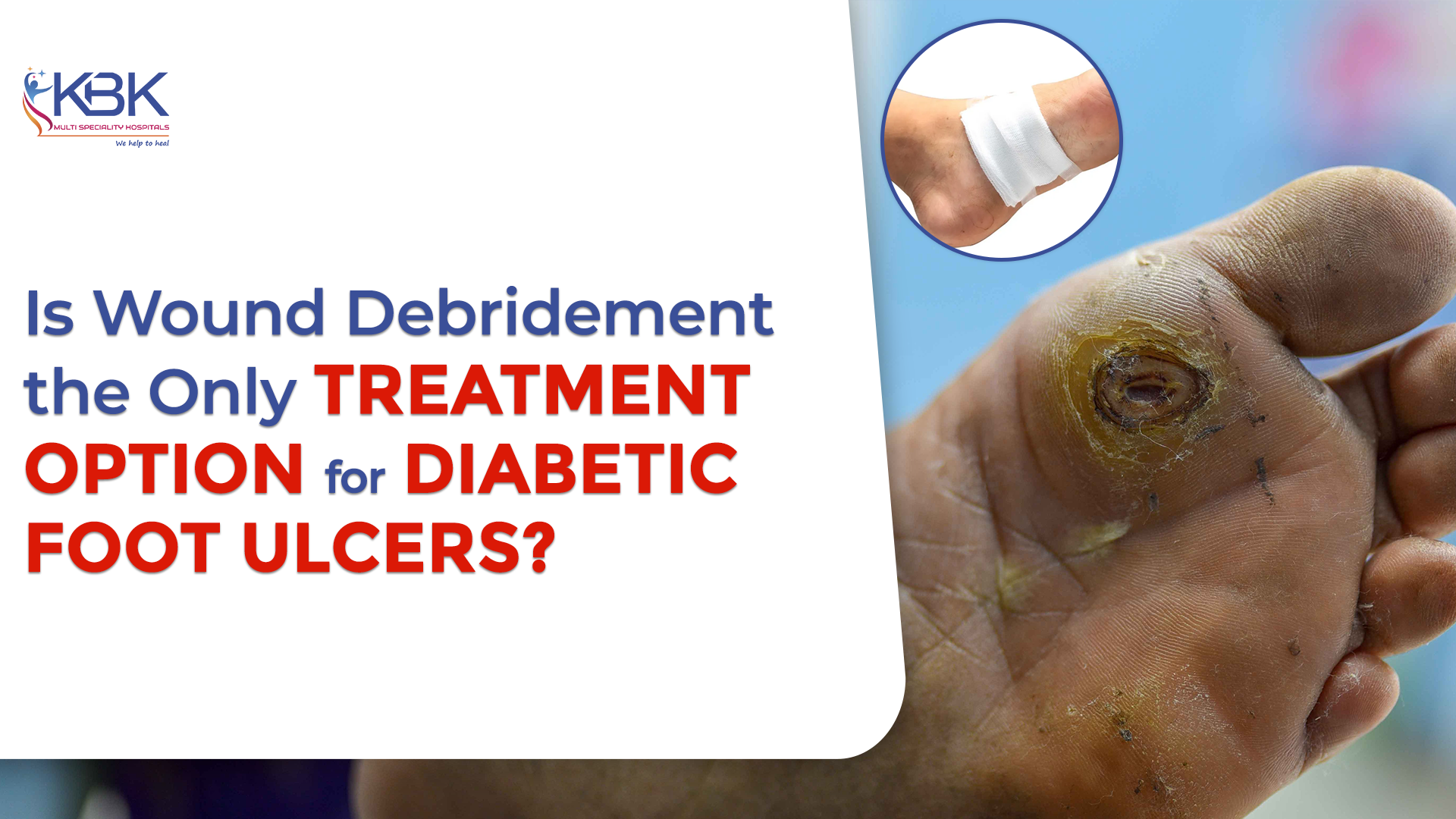
Is Wound Debridement the Only Treatment Option for Diabetic Foot Ulcers?

wound debridement

A diabetic foot ulcer is a slow-healing wound that forms due to poor blood flow, nerve damage, or infection in people with diabetes. These wounds need proper care because delays can lead to serious complications. Many people believe that wound debridement is the only way to treat diabetic foot ulcers, but that is not true. … Read more


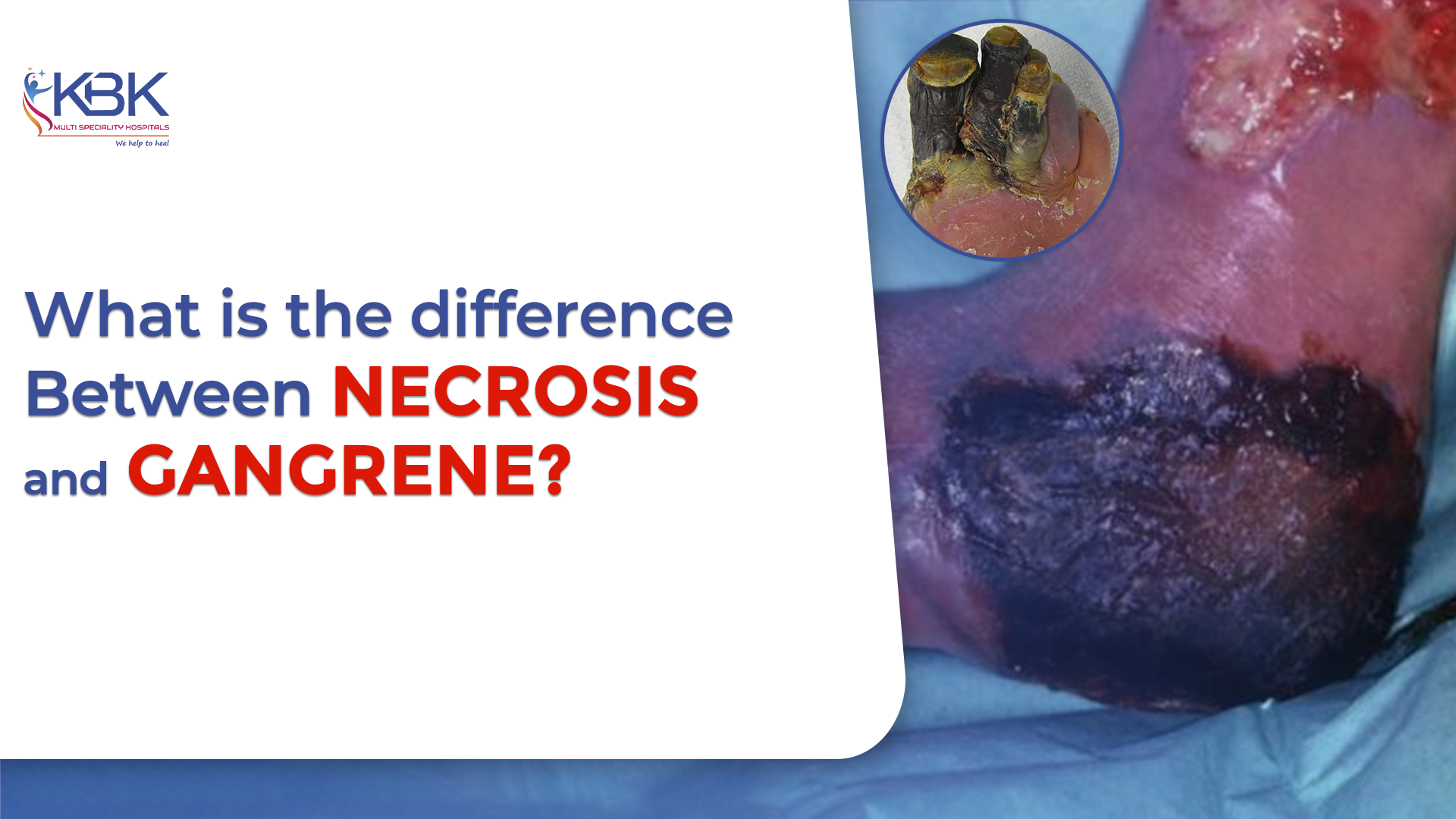
What Is the Difference Between Necrosis and Gangrene?

difference between necrosis and gangrene

Understanding the difference between necrosis and gangrene is important because both conditions involve damaged body tissues, but they are not the same. Many people confuse them, but learning how they differ helps you recognize symptoms early and get the right care at the right time. What Is Necrosis? Necrosis is the death of body tissue … Read more


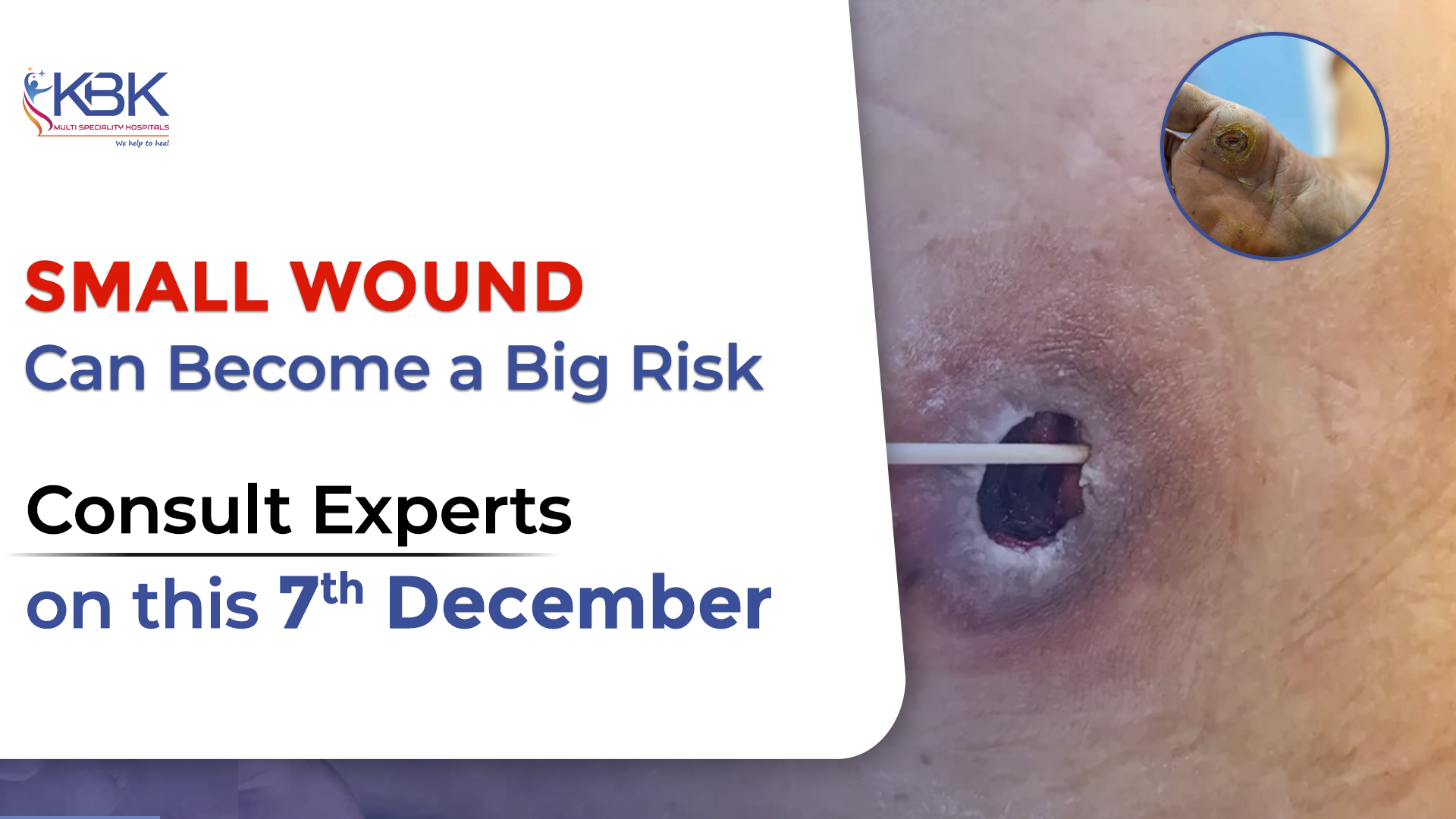
A Small Wound Can Become a Big Risk Join Our Special Health Camp on 7th December

health camp

A small blister or scratch on the foot might seem harmless. But for diabetic patients or those with skin infections, even a tiny wound can turn into a serious issue. To ensure early care and expert guidance, KBK Multi Speciality Hospitals is organizing a health camp with just ₹99 consultation. Early attention can prevent big … Read more


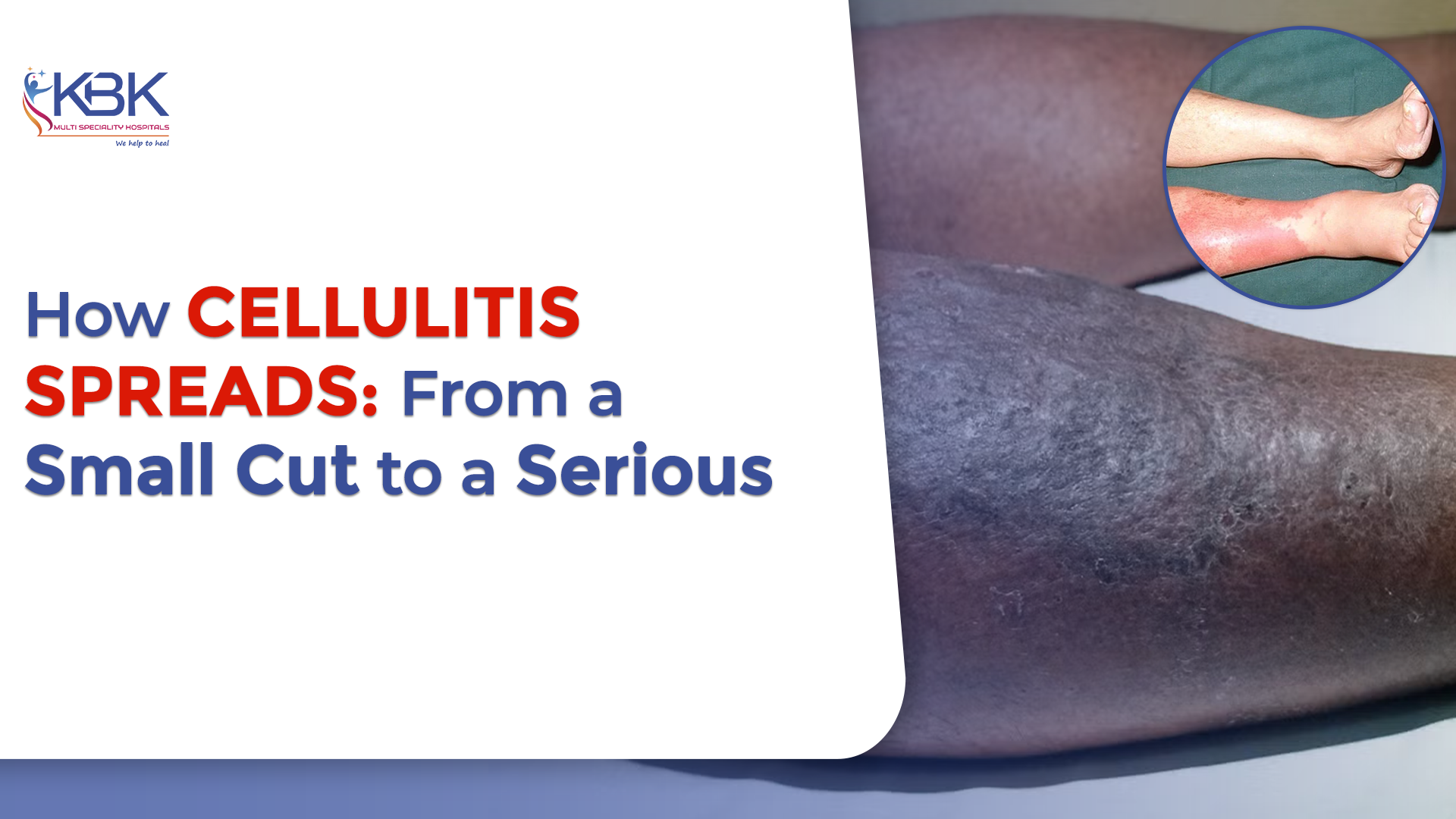
How Cellulitis Spreads: From a Small Cut to a Serious Infection

cellulitis

Cellulitis is a common yet potentially serious bacterial skin infection that starts as a small, harmless cut but can quickly turn into a severe condition if left untreated. Many people underestimate its risks, assuming it’s just redness or irritation on the skin. However, cellulitis can spread fast and affect deeper layers of the skin and … Read more


The Common Connection Between Diabetics & Foot Ulcers: What You Need to Know

diabetic foot ulcers

People living with diabetes face many health challenges, but one of the most serious and often overlooked is the risk of diabetic foot ulcers. These open sores or wounds usually appear on the bottom of the feet and can become dangerous if left untreated. The connection between diabetes and foot ulcers lies in how high … Read more


whatsapp chat Call Us