
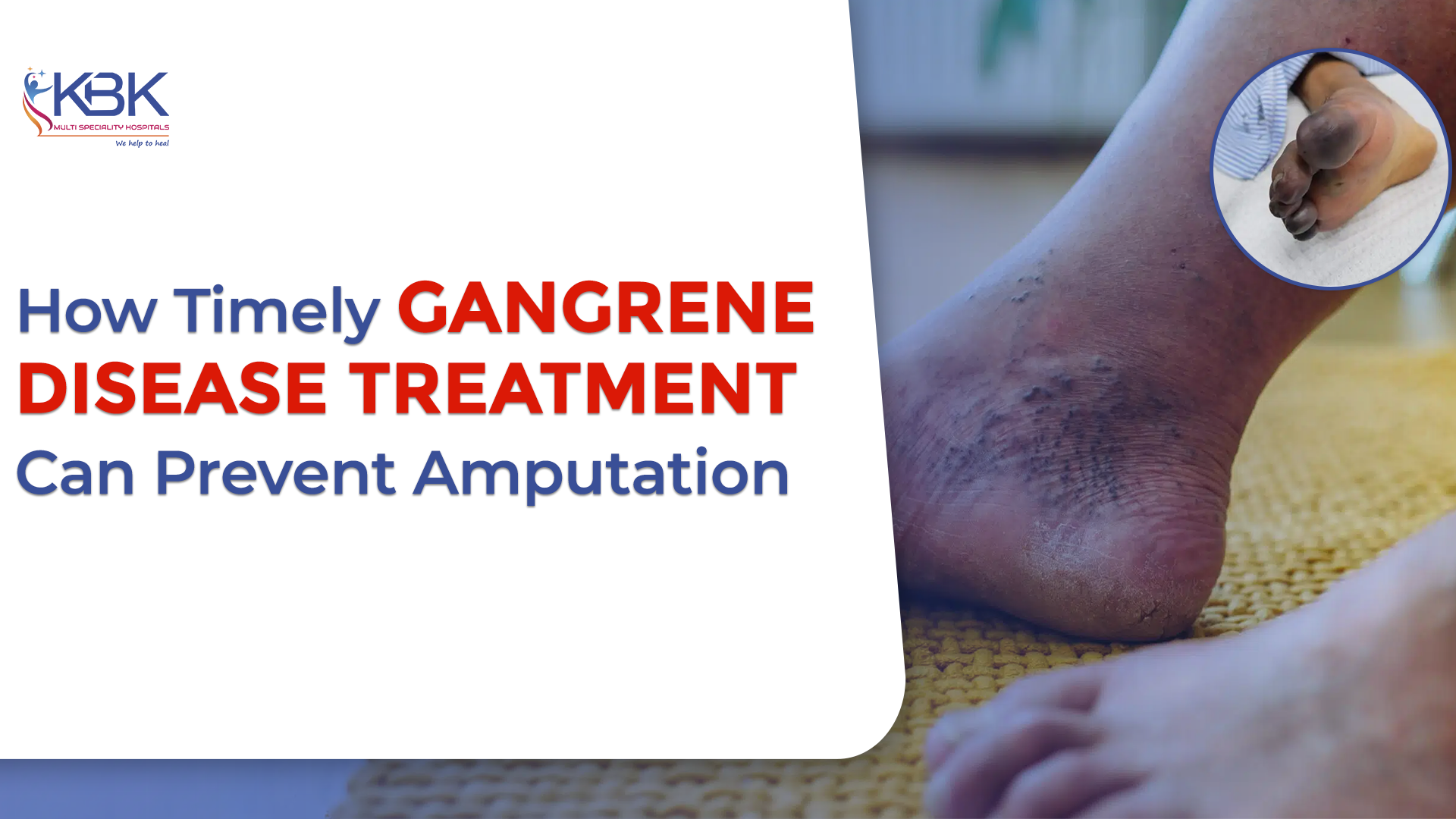
Gangrene Disease Treatment plays a critical role in saving affected body parts and preventing amputation when addressed at the right time. Gangrene develops when tissues do not receive enough blood supply or become infected, leading to tissue damage. Many people delay seeking care due to lack of awareness, but early medical attention can significantly improve outcomes and protect overall health.
Understanding Gangrene and Its Causes
Gangrene occurs when tissue dies because of poor circulation, infection, or injury. It commonly affects the feet, toes, fingers, and legs, especially in people with diabetes, vascular disease, or weakened immunity. Medical professionals with extensive experience in wound and limb care emphasize that timely Gangrene Disease Treatment can stop the condition from progressing to advanced stages.
Why Early Treatment Is Crucial
Early medical intervention helps restore blood flow, control infection, and prevent the spread of tissue damage. In clinical practice, delays in care often increase the risk of severe complications. Doctors stress that early Gangrene Disease Treatment significantly lowers the chances of amputation by addressing the root cause before irreversible damage occurs.
Warning Signs That Require Immediate Attention
Recognizing early symptoms allows patients to seek care before the condition worsens. Common warning signs include:
- Skin color changes such as black, blue, or deep red
- Persistent pain or numbness
- Swelling and foul-smelling discharge
- Coldness in the affected area
- Slow-healing wounds
Medical experts advise not to ignore these signs, as early evaluation supports effective Gangrene Disease Treatment.
How Timely Treatment Helps Save Limbs
Prompt medical care focuses on improving circulation, controlling infection, and supporting tissue healing. By acting early, healthcare specialists can prevent the infection from spreading to healthy tissues. Evidence-based Gangrene Disease Treatment methods aim to protect the affected area and reduce the need for limb removal.
Who Is at Higher Risk of Amputation?
People with diabetes, poor blood circulation, chronic wounds, or a history of infections are at greater risk. Smoking and delayed wound care also increase complications. Experienced clinicians recommend regular checkups and early care to reduce the risk of amputation through proper Gangrene Disease Treatment.
Importance of Expert Medical Care
Specialized care ensures accurate diagnosis and effective management of gangrene. Trusted healthcare providers follow clinical guidelines and use advanced diagnostic methods to best treatment plans. Seeking care from experienced professionals increases the success of Gangrene Disease Treatment and long-term recovery.
Prevention Through Early Action
Preventing amputation starts with early recognition and consistent care. Maintaining good blood sugar control, monitoring wounds, protecting skin from injury, and seeking medical advice early are essential steps. Medical experience shows that proactive Gangrene Disease Treatment greatly improves healing outcomes.
Conclusion
Timely Gangrene Disease Treatment can make the difference between recovery and amputation. Early recognition, expert medical care, and prompt action help control infection, restore circulation, and protect healthy tissue. By understanding warning signs and seeking immediate care, individuals can reduce complications and preserve limb function. Acting early is the most effective way to prevent severe outcomes and maintain quality of life.