
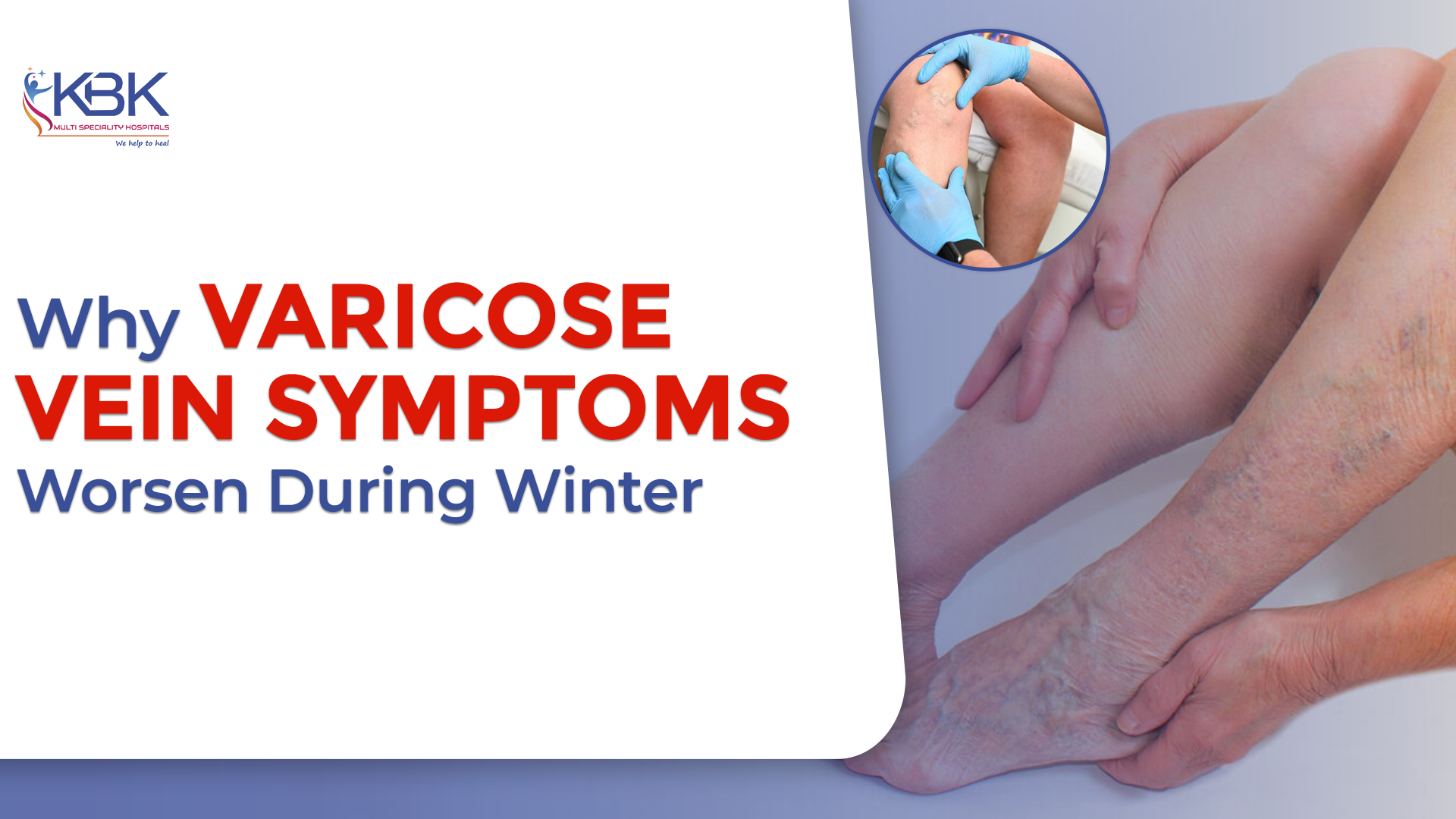
Varicose Vein Symptoms often become more noticeable during winter, causing increased discomfort for many people. Cold weather, reduced physical activity, and lifestyle changes in colder months can affect blood circulation in the legs. These factors may lead to worsening pain, swelling, and heaviness associated with varicose veins. Understanding why winter affects vein health helps individuals take preventive steps and manage symptoms effectively.
Understanding Varicose Veins and Circulation
Varicose veins develop when vein valves weaken and blood begins to pool in the legs instead of flowing smoothly back to the heart. This causes veins to appear enlarged, twisted, and sometimes painful. Medical experts with experience in vascular health explain that poor circulation plays a major role in the progression of Varicose Vein Symptoms, especially during colder seasons.
How Cold Weather Affects Blood Flow
Cold temperatures cause blood vessels to constrict as the body works to preserve heat. While this response is natural, it can slow blood flow in the legs. For people with vein problems, reduced circulation can worsen Varicose Vein Symptoms, leading to increased discomfort and stiffness.
Doctors often observe more patient complaints related to vein pain and swelling during winter months.
Reduced Physical Activity in Winter
During winter months, physical activity usually decreases.. Sitting or standing for long periods slows blood circulation in the legs. Lack of movement is a known factor that aggravates Varicose Vein Symptoms, as muscle activity helps push blood back toward the heart.
Healthcare professionals consistently recommend regular movement to support vein function throughout the year.
Increased Leg Swelling and Heaviness
Swelling, heaviness, and aching sensations in the legs are common Varicose Vein Symptoms that may worsen in winter. Reduced circulation and prolonged inactivity allow fluid to build up in the lower limbs, increasing pressure within the veins.
Clinical experience shows that swelling often increases toward the end of the day, especially in cold weather.
Dry Skin and Skin Sensitivity
Winter air can dry out the skin, making it more sensitive and itchy. In people with varicose veins, dry skin can worsen irritation and discomfort around affected veins. These skin-related issues may intensify Varicose Vein Symptoms, particularly in advanced cases.
Proper skin care and hydration play an important role in managing discomfort.
Who Is More Likely to Experience Worsening Symptoms?
People who are older, overweight, or have a family history of vein disease may notice greater seasonal changes. Long working hours, smoking, and existing circulation problems also increase the severity of Varicose Vein Symptoms during winter.
Vascular specialists emphasize early monitoring and lifestyle adjustments to reduce discomfort.
Managing Varicose Vein Symptoms in Winter
Effective management includes staying active, wearing supportive footwear, elevating the legs when resting, and maintaining healthy circulation. Doctors advise avoiding prolonged sitting or standing and following medical guidance for long-term vein health. Consistent care can significantly reduce Varicose Vein Symptoms even during colder months.
When to Seek Medical Advice
If pain, swelling, skin changes, or discomfort worsen or interfere with daily life, medical evaluation is important. Trusted healthcare providers use evidence-based approaches to assess vein health and recommend appropriate care for managing Varicose Vein Symptoms safely.
Conclusion
Winter can intensify Varicose Vein Symptoms due to cold temperatures, reduced activity, and circulation changes. Understanding how seasonal factors affect vein health allows individuals to take preventive steps and manage discomfort effectively. With proper care, lifestyle adjustments, and expert medical guidance, varicose vein symptoms can be controlled, helping maintain comfort and leg health throughout the winter season.