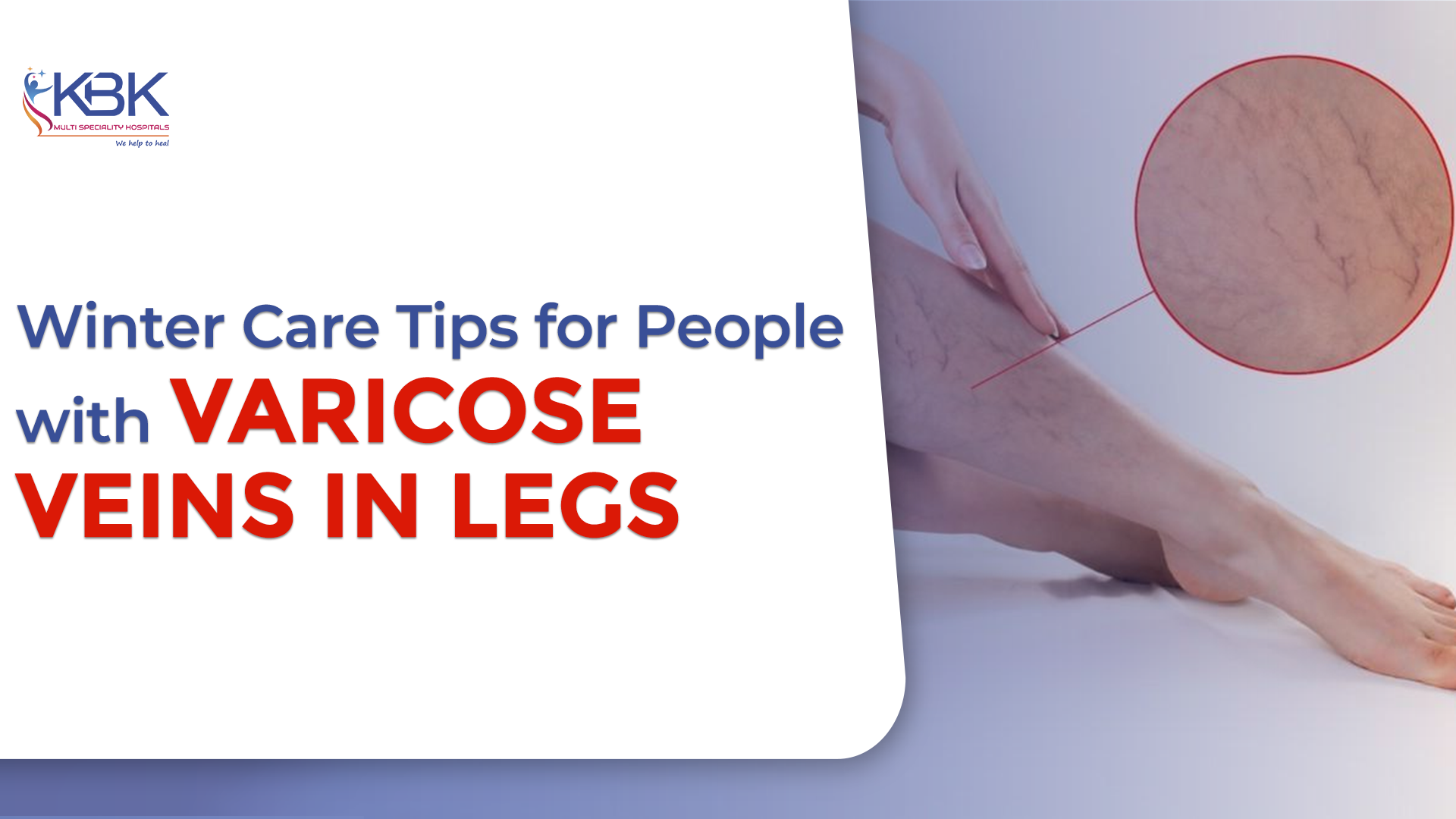
Varicose veins in legs can become more uncomfortable during winter due to cold weather, reduced movement, and circulation changes. Many people notice increased pain, heaviness, or swelling in colder months. With the right care and lifestyle adjustments, winter-related discomfort can be reduced, and long-term vein health can be protected.
Understanding Varicose Veins in the Legs
Varicose veins develop when the valves in leg veins weaken, causing blood to pool instead of flowing smoothly toward the heart. This leads to enlarged, twisted veins that may cause pain or swelling. Medical professionals with expertise in vascular health note that varicose veins in legs are strongly influenced by circulation, which can worsen during winter.
How Winter Affects Vein Health
Cold temperatures cause blood vessels to tighten, slowing circulation in the legs. At the same time, people tend to move less during winter, spending more time sitting indoors. These factors together can increase discomfort linked to varicose veins in legs, especially for those with existing vein problems.
Clinical experience shows that winter often triggers a rise in leg heaviness and swelling complaints.
Stay Active to Support Circulation
Regular movement is one of the most effective ways to manage vein discomfort. Simple activities such as walking indoors, gentle stretching, or leg exercises help keep blood moving. Doctors consistently advise staying active to reduce pressure on veins and manage varicose veins in legs during colder months.
Do not sit or stand in the same position for long periods.
Keep Legs Warm and Protected
Keeping the legs warm helps maintain healthy blood flow. Wearing layered clothing and comfortable socks supports circulation and reduces stiffness. Protecting the skin also helps prevent dryness and irritation, which can worsen symptoms related to varicose veins in legs.
Experts recommend avoiding tight clothing that restricts blood flow.
Elevate Legs and Improve Rest Habits
Elevating the legs while resting allows gravity to help blood return toward the heart. This simple habit reduces swelling and pressure in leg veins. Healthcare professionals often suggest leg elevation as part of daily care for managing varicose veins in legs, especially in winter.
Proper sleep posture also supports vein health.
Maintain Healthy Skin During Winter
Dry winter air can irritate the skin around affected veins. Using moisturizers regularly helps prevent dryness, itching, and sensitivity. Maintaining skin health is an important part of caring for varicose veins in legs, as broken or irritated skin can increase discomfort.
Good hydration also supports skin and circulation health.
Know When to Seek Medical Advice
If pain, swelling, skin changes, or heaviness worsen despite home care, medical evaluation is important. Trusted healthcare providers assess vein health using evidence-based methods and guide patients on proper care options for varicose veins in legs.
Early consultation can prevent complications and improve quality of life.
Conclusion
Winter can present additional challenges for people with varicose veins in legs, but proper care can make a significant difference. Staying active, keeping legs warm, protecting the skin, and following expert advice help reduce discomfort and support circulation. With consistent winter care and timely medical guidance, individuals can manage symptoms effectively and maintain healthy legs throughout the colder months.