
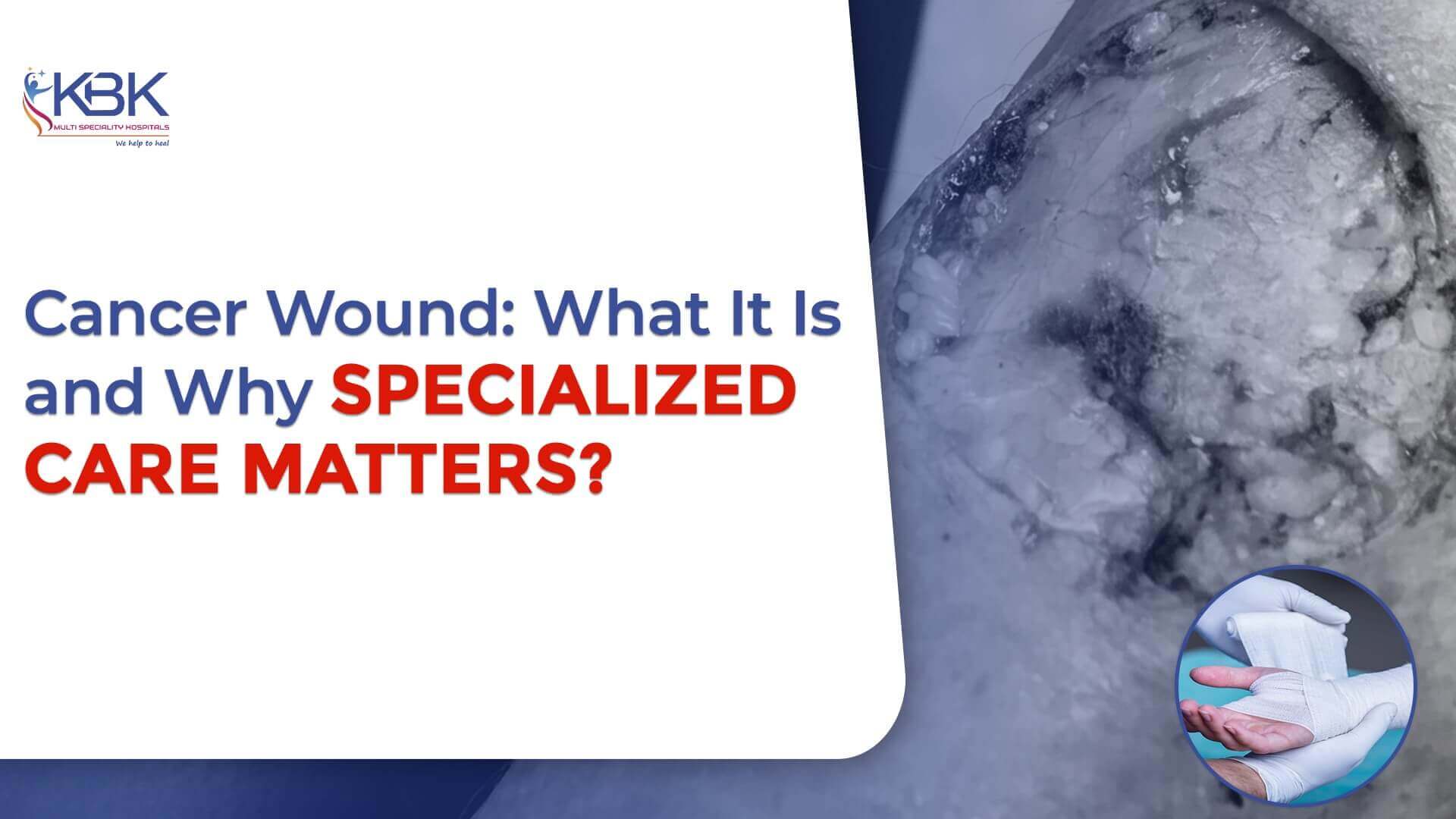
A cancer wound, also known as a malignant wound or fungating wound, is a complex skin breakdown that develops when a cancer tumor grows into the skin or when cancer treatments affect healthy tissues. These wounds are often painful, difficult to heal, and emotionally challenging for patients and families. Understanding what a cancer wound is and why specialized care is essential can help ensure comfort, safety, and better quality of life.
What Is a Cancer Wound?
A cancer wound occurs when cancer cells spread to the skin surface and damage the tissues. This usually happens in advanced stages of cancers such as breast cancer, head and neck cancer, skin cancer, or cancers that have metastasized.
A cancer wound may appear as:
- A raised or ulcerated area
- Open or broken skin
- A wound with drainage or bleeding
- A wound with an unpleasant odour
- A painful or inflamed area
Because these wounds form due to underlying cancer, they do not heal the same way as regular wounds. They require ongoing medical support, comfort-focused treatment, and careful management to prevent infection.
Why Cancer Wounds Need Specialized Care
Cancer wounds are not typical wounds. They involve damaged skin, fragile tissues, and cancer cells that weaken the natural healing process. This is why professional care is important.
1. Infection Prevention
Cancer wounds are highly vulnerable to infection. Specialists use advanced cleaning techniques, protective dressings, and antimicrobial care to reduce infection risk.
2. Pain and Odour Management
Pain, bleeding, and odour can significantly impact a patient’s emotional well-being. Special dressings and medical treatments help control these symptoms and improve comfort.
3. Protecting Delicate Tissues
Cancer-affected skin is sensitive. Regular wound care products may not be suitable. Specialized care ensures gentle handling to prevent further damage.
4. Supporting Emotional Health
Cancer wounds can affect self-esteem and create anxiety. A trained team provides emotional support, guidance, and reassurance to patients and families.
5. Individualized Treatment Plans
Each cancer wound is unique. Specialists assess the wound’s size, depth, infection level, and symptoms to create a personalized care plan tailored to the patient’s needs.
How Experts Manage a Cancer Wound
Specialized cancer wound care typically includes:
- Regular assessment by trained wound-care experts
- Gentle cleaning and moisture-balanced dressings
- Advanced dressings designed to control odour and drainage
- Infection monitoring
- Pain-management strategies
- Nutritional guidance to support overall healing
- Collaboration with oncology teams for holistic treatment
This approach helps manage symptoms, reduce discomfort, and enhance quality of life.
The Importance of Early Medical Attention
A cancer wound can change quickly. Early medical attention ensures:
- Better symptom control
- Prevention of infection
- Reduced complications
- Improved patient comfort
- Faster adjustments to the care plan
Delaying treatment can worsen the wound and increase discomfort, making specialized care even more necessary.
Conclusion
A cancer wound is a serious condition that requires expert care, ongoing evaluation, and compassionate support. With the right medical team and personalized treatment, patients can experience better comfort, improved hygiene, and enhanced emotional well-being. Specialized wound-care services play a vital role in helping patients manage symptoms and maintain dignity throughout their cancer journey.
FAQs on Cancer Wounds
1. What is a cancer wound?
A cancer wound is an open or ulcerated area that develops when cancer cells damage the skin. These wounds may bleed, produce drainage, or cause pain and require ongoing specialized care.
2. Do cancer wounds heal completely?
Cancer wounds usually do not heal fully because they are caused by underlying cancer. However, with proper care, symptoms like pain, bleeding, odour, and infection can be managed effectively.
3. Which cancers commonly cause cancer wounds?
Breast cancer, head and neck cancers, skin cancer, and cancers that spread (metastasize) to the skin are most likely to create cancer wounds.
4. Why does a cancer wound have a bad smell?
Odour comes from bacteria breaking down damaged tissues. Specialized dressings and proper wound cleaning can significantly reduce the smell.
5. How are cancer wounds treated?
Treatment includes gentle cleaning, advanced dressings, infection control, pain management, and regular monitoring by wound-care specialists.
6. Can a cancer wound get infected?
Yes. Cancer wounds are highly vulnerable to infection because the tissues are weak. Early treatment and professional wound care help prevent infections.
7. Is caring for a cancer wound painful?
Some discomfort is common, but proper pain management and gentle wound-care techniques help reduce pain during dressing changes.
8. When should someone see a doctor for a cancer wound?
If there is increased pain, bleeding, foul odour, fever, swelling, or sudden changes in the wound, immediate medical attention is needed.
9. Can home remedies treat a cancer wound?
No. Home remedies are not recommended because cancer wounds are delicate and require trained medical care to avoid complications.
10. Why is specialized care important for cancer wounds?
Cancer wounds involve fragile tissue and complex symptoms. Specialists focus on controlling infection, managing odour and pain, and improving comfort and quality of life.