Introduction
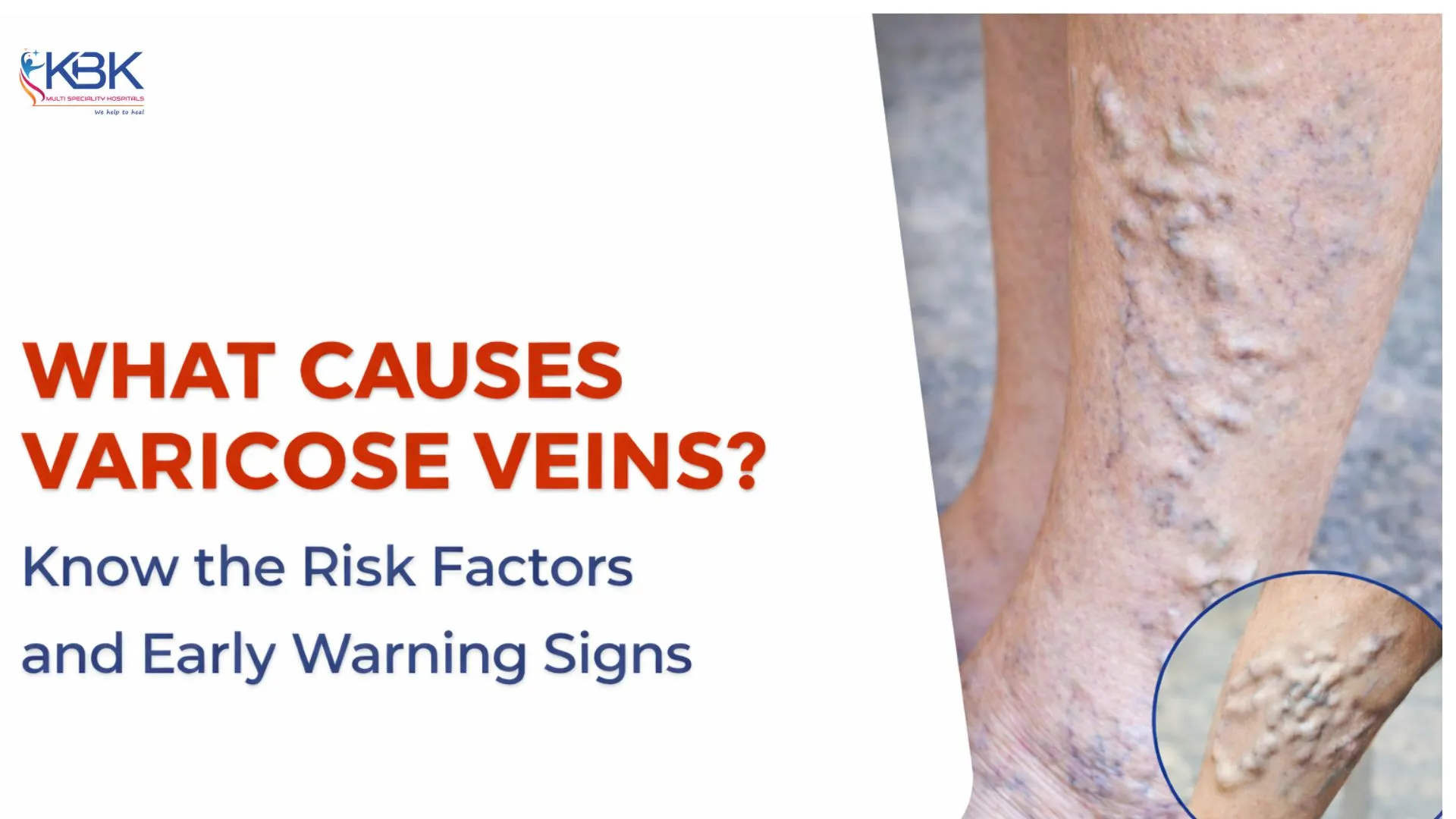
Varicose veins are enlarged, twisted veins that are most commonly seen in the legs. They often appear as blue or purple bulging lines under the skin. While many people think of them as just a cosmetic issue, they can sometimes indicate underlying circulation problems.
These veins are very common, especially among adults, but they are often ignored until discomfort begins. Understanding the causes of varicose veins is important because early awareness can help prevent complications and improve overall vein health.
Varicose veins can affect people of all age groups, but they are more common in older adults, individuals with sedentary lifestyles, and those who spend long hours standing or sitting.
What Are Varicose Veins?
Varicose veins occur when veins become enlarged and overfilled with blood. Normally, veins carry blood back to the heart with the help of tiny one-way valves that prevent backward flow.
However, when these valves weaken or become damaged, blood starts to pool inside the veins. This leads to swelling, twisting, and the visible appearance of varicose veins.
Some common symptoms of varicose veins include:
- Bulging, twisted veins
- Pain or aching in the legs
- Swelling in the lower limbs
- A feeling of heaviness or discomfort, especially after standing
How Blood Circulation Works in Veins
Veins play an important role in carrying blood back to the heart. Unlike arteries, veins work against gravity, especially in the legs.
To help with this process, veins have one-way valves that keep blood flowing upward. Muscles in the legs also help push the blood forward when we walk or move.
When these valves stop working properly, blood flows backward and collects in the veins. Over time, this increases pressure and causes the veins to stretch and enlarge, leading to varicose veins.
Main Causes of Varicose Veins
a. Weak or Damaged Vein Valves
The most common cause of varicose veins is weak or damaged valves. When valves fail, blood pools in the veins, increasing pressure and causing them to expand.
b. Ageing
As we age, veins lose their elasticity and become weaker. This makes it harder for valves to function properly, increasing the risk of varicose veins, especially after the age of 40.
c. Genetics (Family History)
If your parents or close family members have varicose veins, you are more likely to develop them. Genetics plays a strong role in vein health.
d. Prolonged Standing or Sitting
People who stand or sit for long periods—such as teachers, drivers, or office workers—are at higher risk. Lack of movement reduces blood circulation and puts pressure on leg veins.
e. Obesity
Excess body weight increases pressure on veins, especially in the lower body. This can lead to poor circulation and the development of varicose veins.
f. Pregnancy
During pregnancy, the body produces more blood, and hormonal changes relax vein walls. Additionally, the growing uterus puts pressure on veins, increasing the risk.
g. Hormonal Changes
Hormonal changes during puberty, menopause, or due to birth control pills can weaken vein walls, contributing to varicose veins.
h. Lack of Physical Activity
A sedentary lifestyle reduces muscle activity, which is necessary to help veins pump blood. This can lead to poor circulation and vein problems.
Risk Factors You Should Know
Certain factors increase the chances of developing varicose veins, including:
- Being female (due to hormonal influences)
- Sedentary lifestyle
- Smoking, which affects blood circulation
- Wearing tight clothing that restricts blood flow
Early Warning Signs
Recognizing early symptoms of varicose veins can help you take action sooner. Look out for:
- Mild swelling in the legs
- Aching or heavy feeling
- Visible blue or purple veins
- Night cramps or itching around veins
Complications If Ignored
If left untreated, varicose veins can lead to more serious problems, such as:
- Chronic leg pain
- Skin discoloration or darkening
- Painful ulcers near the ankles
- Blood clots in severe cases
When to See a Doctor
You should consult a doctor if you notice:
- Persistent pain or swelling in your legs
- Skin changes, discoloration, or ulcers
- Sudden worsening of symptoms
Early medical attention can prevent complications and improve treatment outcomes.
Prevention Tips
While not all varicose veins can be prevented, you can reduce your risk by:
- Exercising regularly (walking, cycling)
- Avoiding long periods of sitting or standing
- Elevating your legs while resting
- Maintaining a healthy weight
- Wearing compression stockings if recommended
Conclusion
Varicose veins are a common condition that can affect people of all ages. Understanding the causes of varicose veins, recognizing early symptoms of varicose veins, and taking preventive steps can make a big difference in maintaining healthy veins.
The good news is that varicose veins are treatable, especially when detected early. By making simple lifestyle changes and seeking timely medical advice, you can manage and even prevent this condition effectively.