
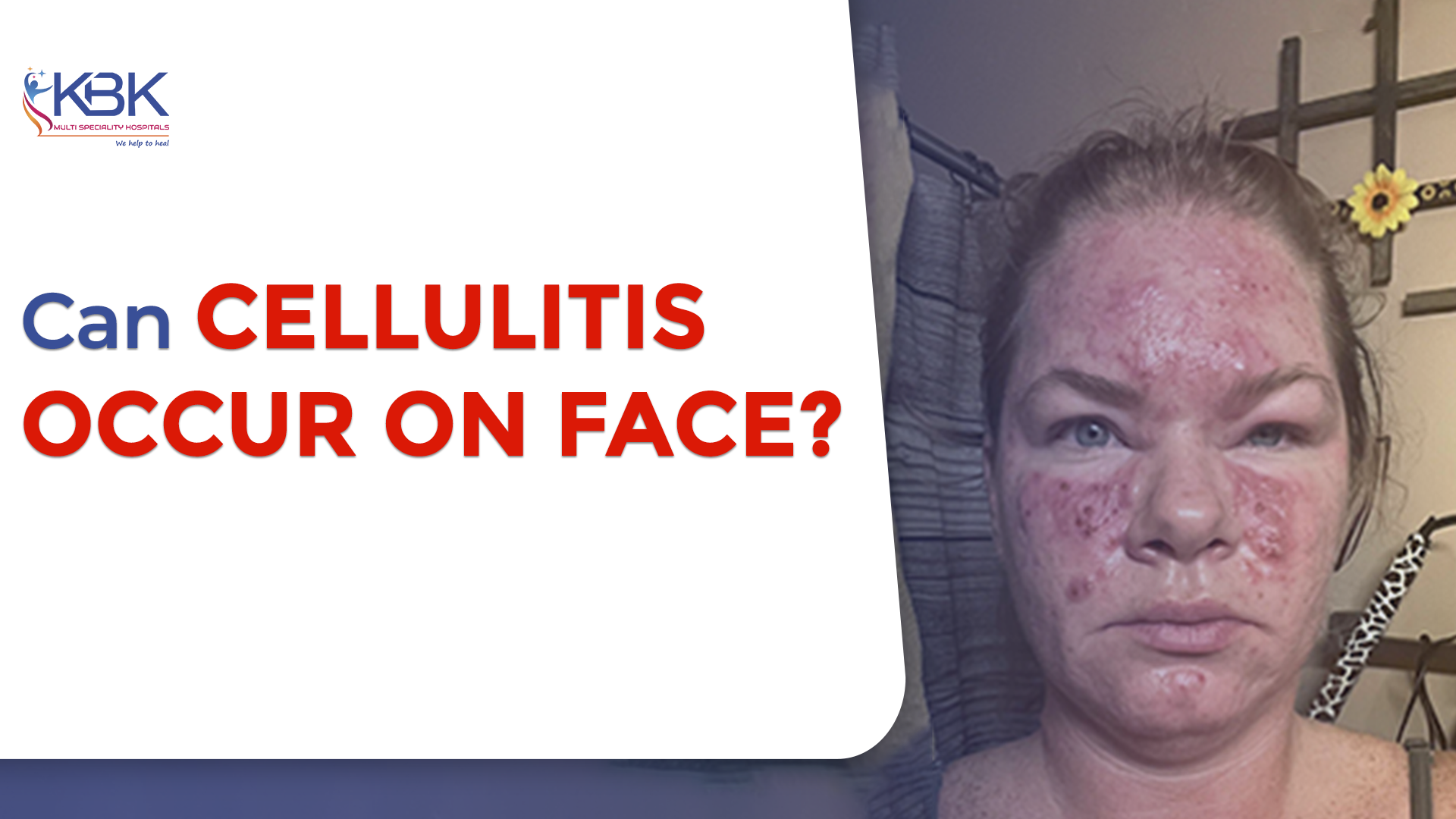
Cellulitis on face is a medical condition that many people do not expect, yet it can occur and requires prompt medical attention. Cellulitis is a bacterial skin infection that affects the deeper layers of the skin and underlying tissues. When it develops on the face, it can progress quickly due to the rich blood supply and sensitive structures in this area. Understanding the symptoms, causes, and importance of early care helps prevent complications and supports faster recovery.
What Is Cellulitis?
Cellulitis is an infection caused when bacteria enter the skin through small cuts, insect bites, acne, or wounds. While it commonly affects the legs or arms, cellulitis on face can develop around the cheeks, eyes, lips, or jawline. Medical professionals with experience in skin and soft tissue infections highlight that facial cellulitis should never be ignored due to its potential to spread rapidly.
How Does Cellulitis Develop on the Face?
The face has many blood vessels, which can allow infection to spread more easily. Minor skin damage, sinus infections, dental issues, or untreated acne can increase the risk. Individuals with weakened immunity, diabetes, or chronic skin conditions are more prone to developing cellulitis on face, especially if wounds are not cleaned properly.
Common Symptoms to Watch For
Early recognition is essential. Common symptoms of cellulitis on face include:
- Redness that spreads quickly
- Swelling and warmth in the affected area
- Pain or tenderness
- Tight or shiny skin
- Fever or general discomfort
Healthcare providers emphasize that facial swelling combined with fever should be evaluated immediately.
Why Facial Cellulitis Needs Early Treatment
Unlike cellulitis in other body areas, cellulitis on face can lead to serious complications if delayed. The infection may spread to deeper tissues or nearby structures. Clinical experience shows that early medical care significantly reduces the risk of severe outcomes and supports faster healing.
Diagnosis and Medical Evaluation
Doctors diagnose cellulitis based on physical examination, medical history, and symptom progression. In some cases, imaging or blood tests may be used to assess severity. Trusted healthcare professionals rely on evidence-based methods to ensure accurate diagnosis and appropriate treatment for cellulitis on face.
Treatment and Recovery
Treatment focuses on controlling infection, reducing inflammation, and preventing spread. Early care leads to better outcomes and lowers the chance of complications. Medical experts stress completing the full course of treatment and monitoring symptoms closely. Proper cellulitis on face care also includes keeping the skin clean and avoiding irritation.
Who Is at Higher Risk?
People with diabetes, weakened immune systems, chronic skin conditions, or facial injuries face higher risk. Poor hygiene or delayed wound care can also increase vulnerability. Doctors with experience in infection management recommend early consultation when symptoms appear to reduce complications related to cellulitis on face.
Conclusion
Yes, cellulitis on the face can occur and should always be treated as a medical priority. Recognizing early symptoms such as redness, swelling, and pain allows for timely care and prevents serious complications. With expert medical evaluation, early treatment, and proper follow-up, most individuals recover well. Awareness and quick action are the keys to protecting facial health and overall well-being.