
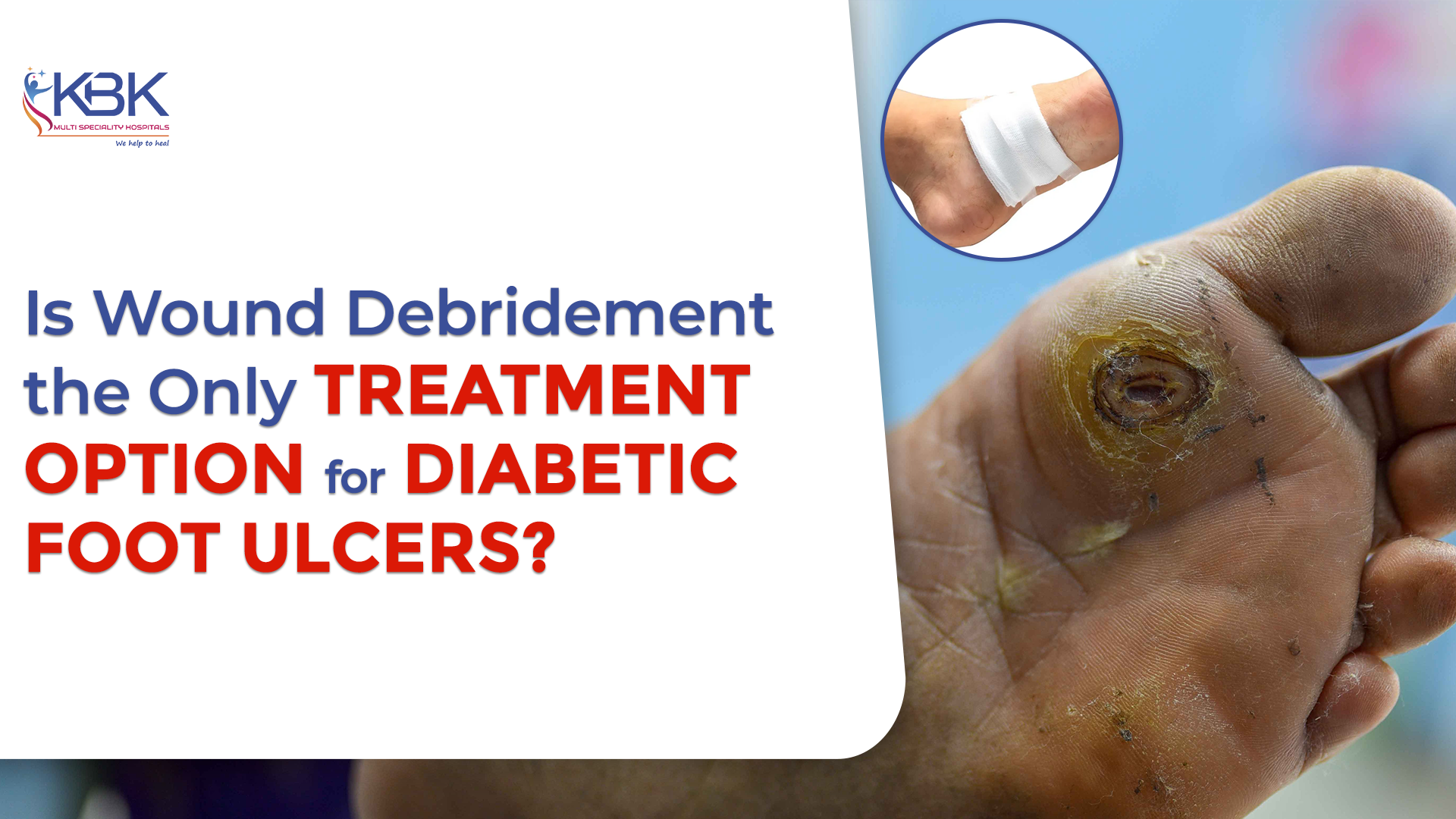
A diabetic foot ulcer is a slow-healing wound that forms due to poor blood flow, nerve damage, or infection in people with diabetes. These wounds need proper care because delays can lead to serious complications. Many people believe that wound debridement is the only way to treat diabetic foot ulcers, but that is not true. While debridement is an important step, it is not the only method used in diabetic foot ulcer treatment. Healthcare experts often follow a structured wound-care plan to support safe and effective healing.
What Is Wound Debridement?
Wound debridement is the process of removing dead or damaged tissue from a wound so healthy tissue can grow. Doctors usually recommend it because it reduces infection and helps the wound heal faster. It also gives specialists a clearer view of the ulcer and helps them plan further care. Although it plays a major role in treatment for diabetic foot ulcer, it is just one part of a complete care approach.
Is Debridement the Only Option?
No. Wound debridement is helpful, but it is not the only option. Diabetic foot treatment is personalized based on the wound’s size, blood flow, infection level, and overall health. Experts agree that a combination of treatments often leads to better healing and fewer complications.
Other Treatment Options for Diabetic Foot Ulcers
1. Infection Control
Bacterial infections can slow healing. Medicines and proper cleaning help control infection and protect the wound.
2. Improving Blood Flow
Better blood circulation brings oxygen and nutrients to the wound, helping it heal naturally and safely.
3. Pressure Relief
Reducing pressure on the ulcer is essential in diabetic foot ulcer treatment. Special footwear, padding, or off-loading techniques prevent further damage.
4. Moisture Balance & Dressings
The right wound dressings keep the ulcer moist but not too wet. This helps new tissue grow and speeds up healing.
5. Regular Monitoring
Frequent checkups are an important part of treatment for diabetic foot ulcer. Early detection of infection or changes prevents complications.
Conclusion
Wound debridement is an important step in caring for a diabetic foot ulcer, but it is not the only treatment option. A complete diabetic foot treatment plan includes infection control, pressure relief, improved blood flow, proper dressings, and regular medical care. Experts emphasize that early treatment and proper guidance can prevent serious complications and support faster healing. For any non-healing wound or unusual symptoms, always consult a qualified healthcare provider for the right diabetic foot ulcer treatment.
Frequently Asked Questions (FAQs)
1. Is wound debridement necessary for every diabetic foot ulcer?
Not always. Wound debridement is helpful when dead or damaged tissue is present, but some ulcers may not need it. A doctor decides based on the wound’s condition.
2. How long does it take for a diabetic foot ulcer to heal?
Healing time depends on blood flow, infection level, and how early treatment begins. With proper diabetic foot ulcer treatment, many wounds heal within weeks to months.
3. Can a diabetic foot ulcer heal without debridement?
Yes, some ulcers can heal without debridement if they are clean, shallow, and not infected. However, most deep or infected wounds heal faster after debridement.
4. What happens if a diabetic foot ulcer is not treated?
Delaying care can lead to infection, tissue damage, or serious complications. Early treatment for diabetic foot ulcer greatly reduces risks.
5. When should I visit a doctor for a diabetic foot ulcer?
Visit a specialist immediately if you notice swelling, bad smell, color changes, or if the wound is not healing. Early diabetic foot treatment helps prevent complications.