
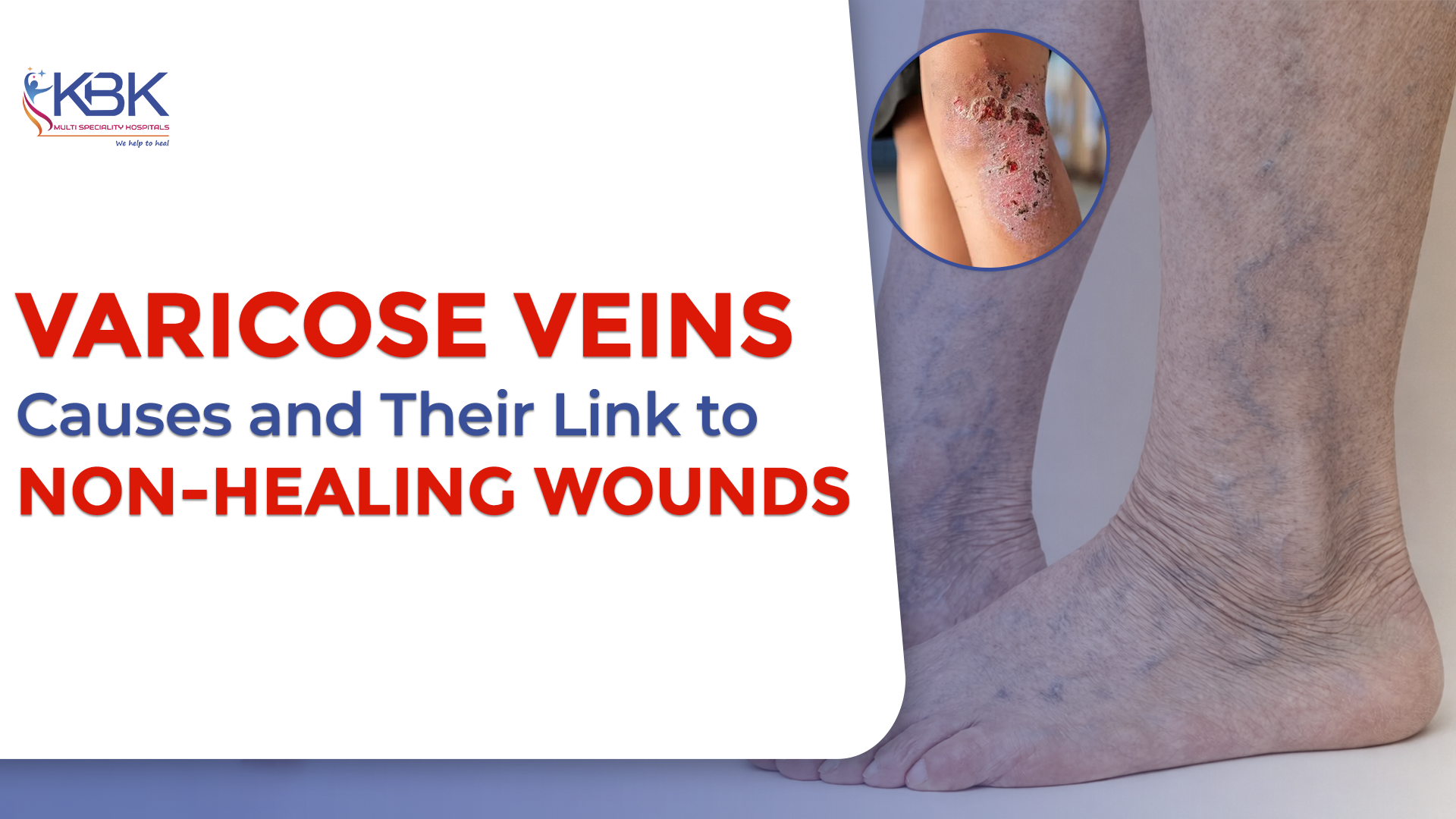
Understanding varicose veins causes is essential because these vein problems are not only cosmetic concerns but can also lead to serious health issues, including non-healing wounds. When blood flow in the legs is affected, the skin and tissues may not receive enough oxygen and nutrients, slowing the healing process. Knowing how varicose veins develop and how they contribute to chronic wounds helps in early prevention and proper care.
What Are Varicose Veins?
Varicose veins are enlarged, twisted veins that usually appear on the legs due to weakened vein walls or faulty valves. Normally, these valves allow blood to flow back to the heart. When they fail, blood pools in the veins, increasing pressure and causing visible swelling. Medical specialists with experience in vascular health explain that understanding varicose veins causes helps prevent long-term complications
Common Varicose Veins Causes
Many factors play a role in the development of varicose veins. Age-related vein weakness, prolonged standing or sitting, obesity, pregnancy, and family history are among the most common varicose veins causes. Poor lifestyle habits, such as lack of physical activity, can also worsen circulation and increase vein pressure.
Doctors emphasize that addressing these causes early helps protect leg health.
How Varicose Veins Affect Blood Circulation
Healthy circulation is necessary for tissue repair and skin health. Varicose veins disrupt normal blood flow by trapping blood in the legs. This poor circulation is a direct result of varicose veins causes and leads to increased pressure in surrounding tissues. Over time, reduced oxygen delivery weakens the skin and slows healing.
Clinical experience shows that circulation problems play a major role in chronic wound development.
The Link Between Varicose Veins and Non-Healing Wounds
Non-healing wounds, also known as chronic ulcers, often develop around the ankles or lower legs. Poor blood flow caused by varicose veins causes prevents wounds from receiving nutrients needed for repair. Fluid buildup around veins can also damage skin, making it fragile and prone to breakdown.
Healthcare professionals regularly observe that untreated vein problems increase the risk of recurring wounds.
Warning Signs That Should Not Be Ignored
Early signs of circulation-related wounds include skin discoloration, swelling, itching, thickened skin, and slow-healing cuts. These symptoms often appear before ulcers form. Recognizing these warning signs linked to varicose veins causes allows for early medical intervention and better outcomes.
Doctors advise not to ignore leg discomfort or skin changes.
Importance of Early Diagnosis and Care
Early evaluation by a vascular specialist helps identify circulation problems before wounds become severe. Trusted healthcare providers use evidence-based methods to assess vein health and recommend appropriate care. Addressing varicose veins causes early can improve blood flow, support healing, and reduce the risk of long-term complications.
Preventive Measures and Lifestyle Changes
Simple lifestyle changes such as regular exercise, leg elevation, weight management, and avoiding prolonged standing can help reduce vein pressure. Wearing supportive clothing and maintaining skin care also support healing. Medical experience confirms that managing varicose veins causes through consistent care can prevent non-healing wounds.
Conclusion
Understanding varicose veins causes and their connection to non-healing wounds is key to protecting long-term leg health. Poor circulation caused by vein damage can slow wound healing and increase the risk of chronic ulcers. With early diagnosis, expert medical guidance, and proper lifestyle adjustments, many complications can be prevented. Taking action early helps improve healing, comfort, and overall quality of life.