
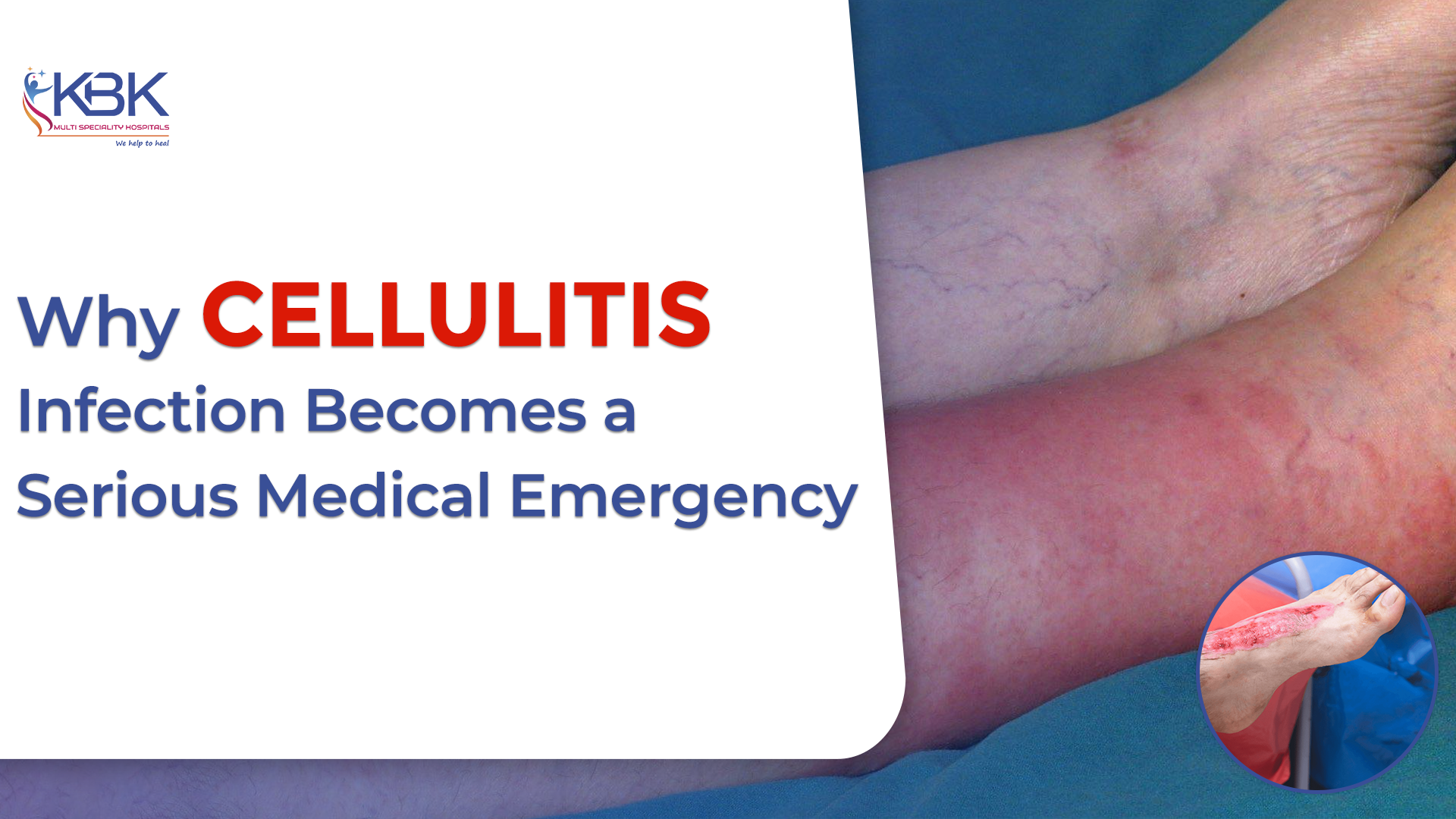
A cellulitis infection may start as a small skin problem, but it can quickly turn into a serious medical emergency if not treated on time. Cellulitis is a common skin infection caused by bacteria that spreads into the deeper layers of your skin. Because it spreads rapidly, early recognition and immediate medical care are critical to prevent severe complications.
Understanding Cellulitis Infection
Cellulitis occurs when bacteria enter the body through cuts, cracks, insect bites, or wounds. Once inside, the bacteria spread beneath the skin, causing inflammation and infection. Medical professionals with experience in skin and soft tissue infections explain that a cellulitis infection can worsen quickly, especially if the immune system is weakened or circulation is poor.
Why Cellulitis Can Progress Rapidly
One of the main reasons cellulitis is dangerous is its ability to spread fast. The infection moves through skin tissues and can enter the bloodstream if left untreated. Cold weather, delayed care, and underlying health conditions can accelerate the progression of a cellulitis infection, making early treatment essential.
Clinical experience shows that delays in medical attention significantly increase the risk of complications.
Key Warning Signs That Require Immediate Care
Recognizing early symptoms helps prevent emergencies. Common warning signs of a cellulitis infection include:
- Rapidly spreading redness
- Swelling and warmth in the affected area
- Severe pain or tenderness
- Fever, chills, or fatigue
- Skin that appears tight or shiny
Healthcare experts stress that worsening redness combined with fever is a medical red flag.
How Cellulitis Can Affect the Whole Body
If untreated, a cellulitis infection can spread beyond the skin to deeper tissues or the bloodstream. This may lead to serious conditions such as widespread infection, tissue damage, or systemic illness. Medical specialists emphasize that early treatment reduces the risk of long-term damage and hospitalization.
Who Is at Higher Risk?
Certain individuals face a higher risk of complications from cellulitis. People with diabetes, poor circulation, chronic wounds, weakened immune systems, or skin conditions are more vulnerable. Previous episodes of cellulitis infection also increase the chance of recurrence.
Doctors with extensive experience recommend regular skin checks for high-risk individuals.
Importance of Timely Medical Treatment
Prompt medical care focuses on stopping the infection, reducing inflammation, and preventing spread. Trusted healthcare providers use evidence-based guidelines to diagnose and manage a cellulitis infection effectively. Early treatment often leads to faster recovery and lowers the risk of severe outcomes.
Don’t wait—delaying treatment for symptoms can lead to serious, preventable complications.
Prevention and Early Action
Preventing a cellulitis infection begins with proper skin care, treating cuts promptly, keeping skin moisturized, and managing chronic health conditions. Seeking medical advice at the first sign of infection plays a crucial role in avoiding emergencies.
Medical experience consistently shows that early action leads to better recovery and reduced healthcare risks.
Conclusion
A cellulitis infection should never be taken lightly. What may begin as mild skin redness can quickly become a serious medical emergency if left untreated. Understanding the warning signs, recognizing personal risk factors, and seeking immediate medical care are key steps in preventing complications. With timely treatment and expert care, most people recover well and avoid long-term health issues.