
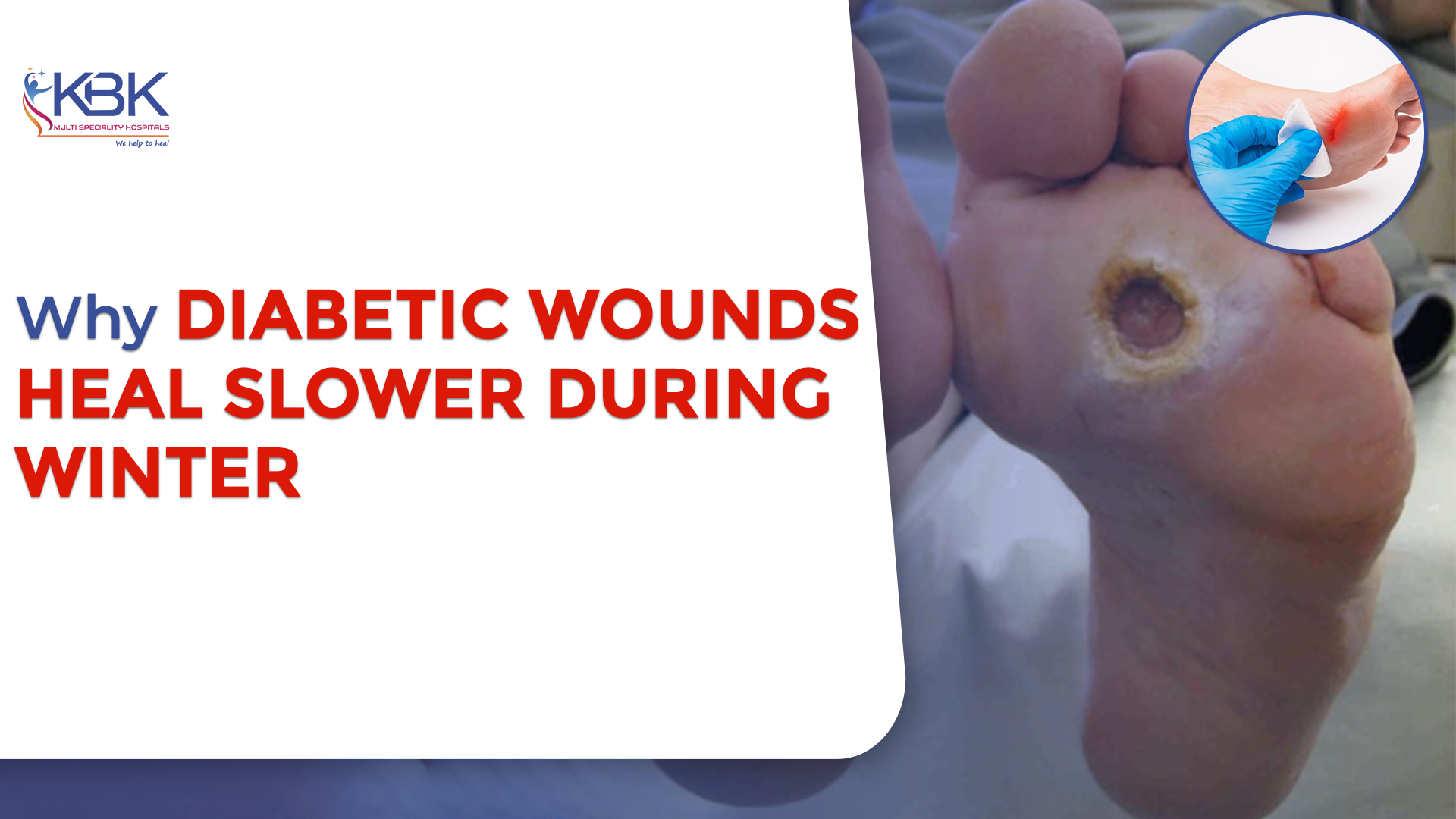
Diabetic wounds are already known to heal slower than normal wounds, but many patients and caregivers notice that healing becomes even more difficult during winter. Cold weather affects blood circulation, skin health, and immunity, all of which play an important role in wound recovery. Understanding why this happens can help people with diabetes take better care during colder months and prevent complications.
Understanding Diabetic Wounds
Diabetic wounds are open sores or injuries that develop due to high blood sugar levels, poor circulation, and nerve damage. Because diabetes reduces the body’s natural ability to heal, even small cuts or cracks in the skin can take longer to close. Medical experts consistently observe that seasonal changes, especially winter, further slow down this healing process.
Reduced Blood Circulation in Cold Weather
One of the main reasons diabetic wounds heal slower during winter is reduced blood flow. Cold temperatures cause blood vessels to narrow, which limits the amount of oxygen and nutrients reaching the wound area. Strong circulation plays a key role in tissue repair. When circulation slows, healing becomes delayed, increasing the risk of infection.
From clinical experience, doctors often see more wound complications in winter due to poor circulation, especially in the feet and lower legs.
Dry Skin and Cracks Increase Risk
Winter air is dry, and indoor heating removes moisture from the skin. For people with diabetes, this dryness can lead to cracked skin, especially on the feet and heels. These cracks create entry points for bacteria and can quickly turn into diabetic wounds if not treated early.
Dermatology and wound care specialists strongly recommend regular moisturizing during winter to maintain skin integrity and reduce wound risk.
Weakened Immune Response
Cold weather can weaken the immune system, making it harder for the body to fight infections. In people with diabetes, immunity is already compromised. This combination makes diabetic wounds more prone to infection and slower healing.
Medical research and expert observations confirm that infections delay wound closure and increase the need for prolonged care.
Reduced Physical Activity
During winter, many people become less active due to cold temperatures. Reduced movement leads to poorer blood circulation, especially in the legs and feet. Limited circulation directly affects the healing ability of diabetic wounds, making recovery slower.
Healthcare professionals encourage safe indoor exercises to maintain blood flow and support healing even during colder months.
Poor Blood Sugar Control in Winter
Winter often brings changes in diet and routine. Increased intake of comfort foods and reduced activity can lead to higher blood sugar levels. Poor glucose control slows cell repair and increases inflammation, which negatively affects diabetic wounds.
Diabetes specialists emphasize that stable blood sugar levels are essential for faster wound healing, regardless of the season.
Higher Risk of Foot Injuries
Thick socks, improper footwear, and reduced foot sensation increase the risk of unnoticed injuries during winter. Minor injuries can easily develop into diabetic wounds when left untreated. Regular foot inspections are crucial, even when feet are covered most of the time.
Importance of Timely Wound Care in Winter
Expert wound care providers stress that early attention makes a major difference. Cleaning wounds properly, keeping them protected, and seeking medical guidance at the first sign of delay can prevent complications. Trusted medical experience shows that winter-related delays can be managed effectively with consistent care.
Conclusion
Winter creates several challenges that slow the healing of diabetic wounds, including poor circulation, dry skin, weakened immunity, and blood sugar fluctuations. By understanding these factors and taking preventive steps such as daily skin care, proper footwear, regular activity, and routine medical checkups, people with diabetes can protect themselves from complications. With expert guidance and early care, even winter-related healing delays can be effectively managed, helping patients stay safe and healthy year-round.