
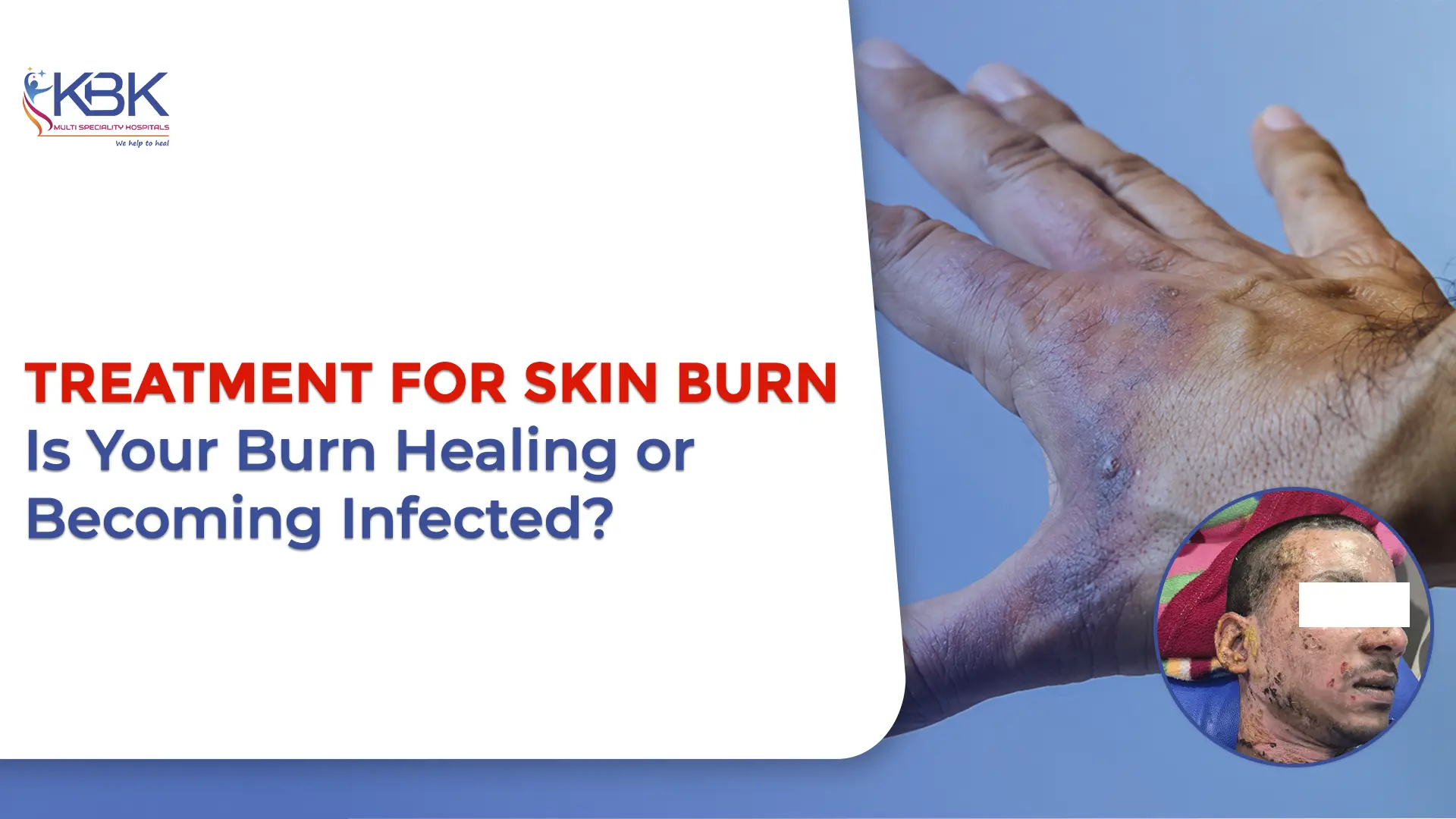
Treatment for Skin Burn is essential not only for relieving pain but also for ensuring proper healing and preventing complications during recovery. A skin burn may seem like a temporary injury, but the healing process requires careful attention. Whether caused by hot liquids, fire, steam, chemicals, or electricity, burns can damage the skin’s natural protective barrier, making the wound vulnerable to infection.
Many patients assume that once the initial pain subsides, the burn is healing properly. However, infection can develop days or even weeks after the injury. Recognizing warning signs early and seeking appropriate treatment for skin burn can help prevent serious complications such as delayed healing, tissue damage, and permanent scarring.
At specialized wound care centers, doctors frequently treat patients whose burns worsened because early signs of infection were overlooked. Understanding these symptoms can help patients make informed decisions about their recovery and seek timely medical care when needed.
Why Infection Is Common During Burn Recovery
Healthy skin protects the body from harmful bacteria and environmental contaminants. When a burn damages the skin, that protection is weakened.
As a result:
- bacteria can enter the wound
- healing slows down
- inflammation increases
- deeper tissues may become affected
The risk becomes higher when burns are not cleaned properly or when dressings are changed incorrectly.
Patients with diabetes, poor circulation, weakened immunity, or chronic medical conditions may be especially vulnerable to infection.
Common Warning Signs of Burn Wound Infection
Burn wounds naturally appear red and sensitive initially. However, certain changes may indicate that infection is developing.
Increasing Redness Around the Burn
If redness begins spreading beyond the original injury site, it may indicate bacterial growth beneath the skin.
Unlike normal healing redness, infected burns often continue expanding over time.
Persistent Swelling
Mild swelling is expected after a burn injury.
However, swelling that:
- increases suddenly
- becomes painful
- extends beyond the wound
may indicate infection.
Pus or Abnormal Discharge
One of the most obvious warning signs is fluid drainage that appears:
- yellow
- green
- cloudy
- thick
Pus formation generally indicates that the body is fighting an active infection.
Worsening Pain Instead of Improvement
Most burn wounds gradually become less painful during recovery.
Pain that becomes more severe after several days should never be ignored, especially when accompanied by redness or swelling.
Unpleasant Odor
A foul smell coming from a burn wound often suggests bacterial contamination.
Patients should seek medical evaluation immediately if odor develops alongside discharge or tissue changes.
Fever and General Illness
Infections do not always remain localized.
Symptoms such as:
- fever
- chills
- fatigue
- weakness
May indicate that the infection is affecting the body beyond the burn site.
When Delayed Burn Treatment Becomes Dangerous
Many patients initially attempt self-treatment using home remedies.
While minor burns may heal without complications, delayed medical care can increase the risk of:
- severe infection
- tissue damage
- chronic wounds
- delayed healing
- extensive scarring
- hospitalization
Medical professionals often see preventable complications in patients who wait too long before seeking treatment.
How Specialists Diagnose Burn Wound Infections
Burn specialists evaluate several factors before recommending treatment.
These include:
Wound Assessment
- depth of burn
- healing progress
- tissue condition
Infection Evaluation
- redness
- swelling
- discharge
- odor
Patient Risk Factors
- immune system health
- diabetes
- circulation disorders
- age
This comprehensive assessment helps determine the most appropriate treatment plan.
Treatment for Skin Burn When Infection Develops
Treatment depends on the severity of the infection and the extent of tissue involvement.
Common approaches include:
Advanced Wound Cleaning
Removing debris and damaged tissue helps reduce bacterial growth and supports healing.
Specialized Burn Dressings
Modern burn dressings help:
- maintain moisture balance
- protect against contamination
- support tissue repair
Infection Control Measures
Doctors may recommend targeted treatments to manage bacterial infection and prevent further spread.
Advanced Wound Care Therapies
For deeper or complex burns, advanced wound management techniques may be required to promote healing and reduce complications.
Expert Tips for Safer Burn Recovery
Burn specialists generally recommend:
✔ Keeping wounds clean
✔ Following dressing instructions carefully
✔ Staying hydrated
✔ Maintaining good nutrition
✔ Avoiding self-treatment methods
✔ Attending follow-up appointments
✔ Monitoring wounds daily
Early intervention often leads to faster recovery and fewer complications.
When Should You Seek Immediate Medical Attention?
Consult a healthcare professional immediately if you notice:
- spreading redness
- increasing swelling
- pus formation
- fever
- worsening pain
- foul odor
- blackened tissue
- delayed healing
Prompt treatment can prevent minor complications from becoming serious medical conditions.
Frequently Asked Questions
Can a minor burn become infected?
Yes. Even small burns can become infected if proper wound care is not followed.
How long does burn recovery take?
Recovery depends on burn depth, wound size, and overall health. Mild burns may heal within days, while deeper burns can require several weeks.
What are the first signs of burn infection?
Redness, swelling, pain, discharge, and unusual odor are among the earliest warning signs.
When should I see a doctor for a burn?
Medical evaluation is recommended if symptoms worsen, healing is delayed, or signs of infection appear.
Conclusion
Successful treatment for skin burn extends beyond immediate first aid. Monitoring the wound during recovery is equally important because infections can develop even after the initial injury appears stable.
Recognizing warning signs such as spreading redness, swelling, discharge, fever, and worsening pain allows patients to seek timely medical care and avoid serious complications. Early diagnosis, expert wound management, and proper follow-up care remain the most effective ways to support safe healing and long-term recovery.