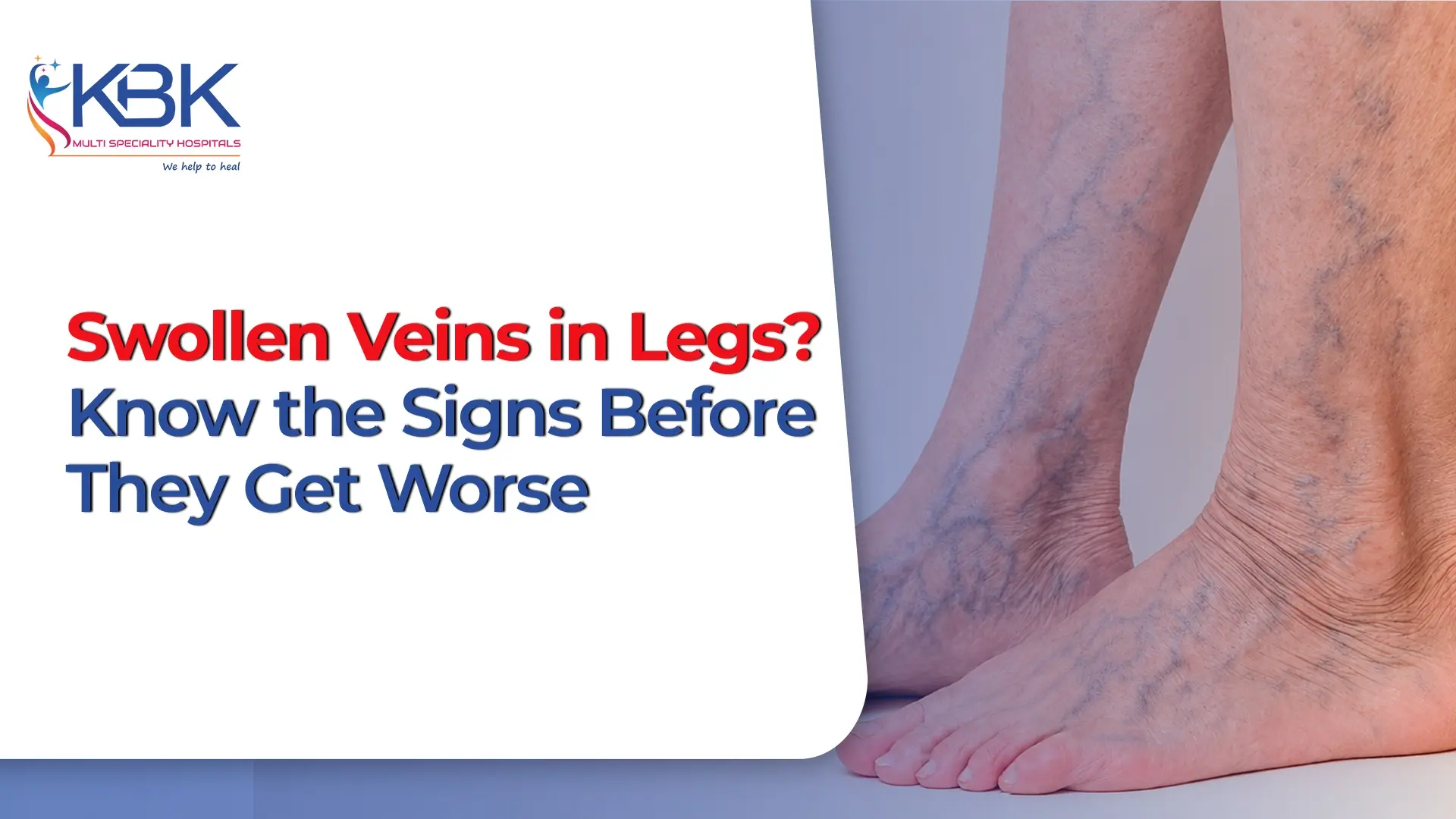
Many people notice visible veins in legs and assume all vein conditions are the same. However, varicose veins and spider veins are different conditions that affect blood circulation in different ways. While spider veins are usually small and cosmetic, varicose veins can sometimes cause pain, swelling, and discomfort.
Understanding the difference between varicose veins vs spider veins is important for identifying symptoms early and seeking the right treatment for vein problems before complications develop.
What Are Varicose Veins?
Varicose veins are enlarged, swollen, and twisted veins that commonly appear on the legs and feet. They develop when vein valves weaken, causing blood to collect inside the veins instead of flowing properly.
These veins are often:
- bulging
- raised above the skin
- dark blue or purple
- painful or heavy
Varicose veins may gradually worsen if left untreated.
What Are Spider Veins?
Spider veins are small, thin blood vessels visible close to the skin surface. They usually appear red, blue, or purple and resemble spider webs or thin branches.
Unlike varicose veins, spider veins are generally:
- smaller
- flatter
- less painful
- mainly cosmetic
They commonly appear on the legs and face.
Varicose Veins vs Spider Veins: Main Differences
| Feature | Varicose Veins | Spider Veins |
| Size | Large and swollen | Small and thin |
| Appearance | Bulging veins | Web-like veins |
| Color | Blue or dark purple | Red, blue, or purple |
| Pain | Often painful | Usually painless |
| Swelling | Common | Rare |
| Risk of complications | Higher | Lower |
Understanding these differences can help identify the severity of vein problems early.
Causes of Visible Veins in Legs
Several factors can contribute to visible veins in legs, including:
- prolonged standing
- aging
- obesity
- pregnancy
- poor blood circulation
- family history
- lack of physical activity
- hormonal changes
People who spend long hours standing are more likely to develop swollen veins in legs.
Symptoms of Varicose Veins
Varicose veins may cause symptoms such as:
- swollen veins in legs
- aching or heavy legs
- throbbing pain
- itching around veins
- leg cramps
- burning sensation
- swelling near ankles
- skin discoloration
Symptoms may worsen after standing for long periods.
Symptoms of Spider Veins
Spider veins are usually milder but may still cause:
- visible red or blue lines
- mild discomfort
- burning sensation
- cosmetic concerns
Most patients seek treatment for appearance-related reasons.
When Are Vein Problems Serious?
Certain symptoms may indicate worsening circulation problems and require medical attention.
Warning signs include:
- severe swelling
- skin darkening
- ulcers near ankles
- persistent leg pain
- bleeding veins
- sudden redness or warmth
Ignoring severe vein problems may increase the risk of complications.
Treatment Options for Varicose and Spider Veins
Treatment depends on the severity of the condition.
Common treatment options include:
- compression stockings
- lifestyle modifications
- exercise and weight management
- laser therapy
- sclerotherapy
- minimally invasive vein procedures
Early treatment may help improve circulation and reduce symptoms.
How to Prevent Swollen Veins in Legs
You can reduce the risk of vein problems by:
- avoiding prolonged standing
- exercising regularly
- maintaining healthy weight
- elevating legs while resting
- wearing compression stockings
- improving blood circulation
Proper lifestyle changes can help prevent worsening vein conditions.
When Should You See a Doctor?
Consult a doctor if you experience:
- painful swollen veins in legs
- skin discoloration
- leg ulcers
- worsening visible veins
- bleeding veins
- severe discomfort while walking
Early diagnosis can help prevent complications and improve vein health.
Frequently Asked Questions
Are spider veins and varicose veins the same?
No. Spider veins are smaller and usually cosmetic, while varicose veins are enlarged veins that may cause pain and circulation problems.
What causes visible veins in legs?
Visible veins may develop due to weak vein valves, poor circulation, prolonged standing, pregnancy, obesity, or aging.
Can varicose veins become dangerous?
In some cases, untreated varicose veins may lead to swelling, skin damage, ulcers, or blood circulation problems.
Can exercise help reduce vein problems?
Yes. Regular exercise improves circulation and may help reduce symptoms of swollen veins in legs.
Conclusion
Although both conditions affect blood vessels, there are important differences between varicose veins vs spider veins. Spider veins are usually smaller and cosmetic, while varicose veins may cause pain, swelling, and circulation-related vein problems.
Recognizing symptoms early and seeking proper treatment can help manage visible veins in legs and prevent complications associated with swollen veins in legs.