
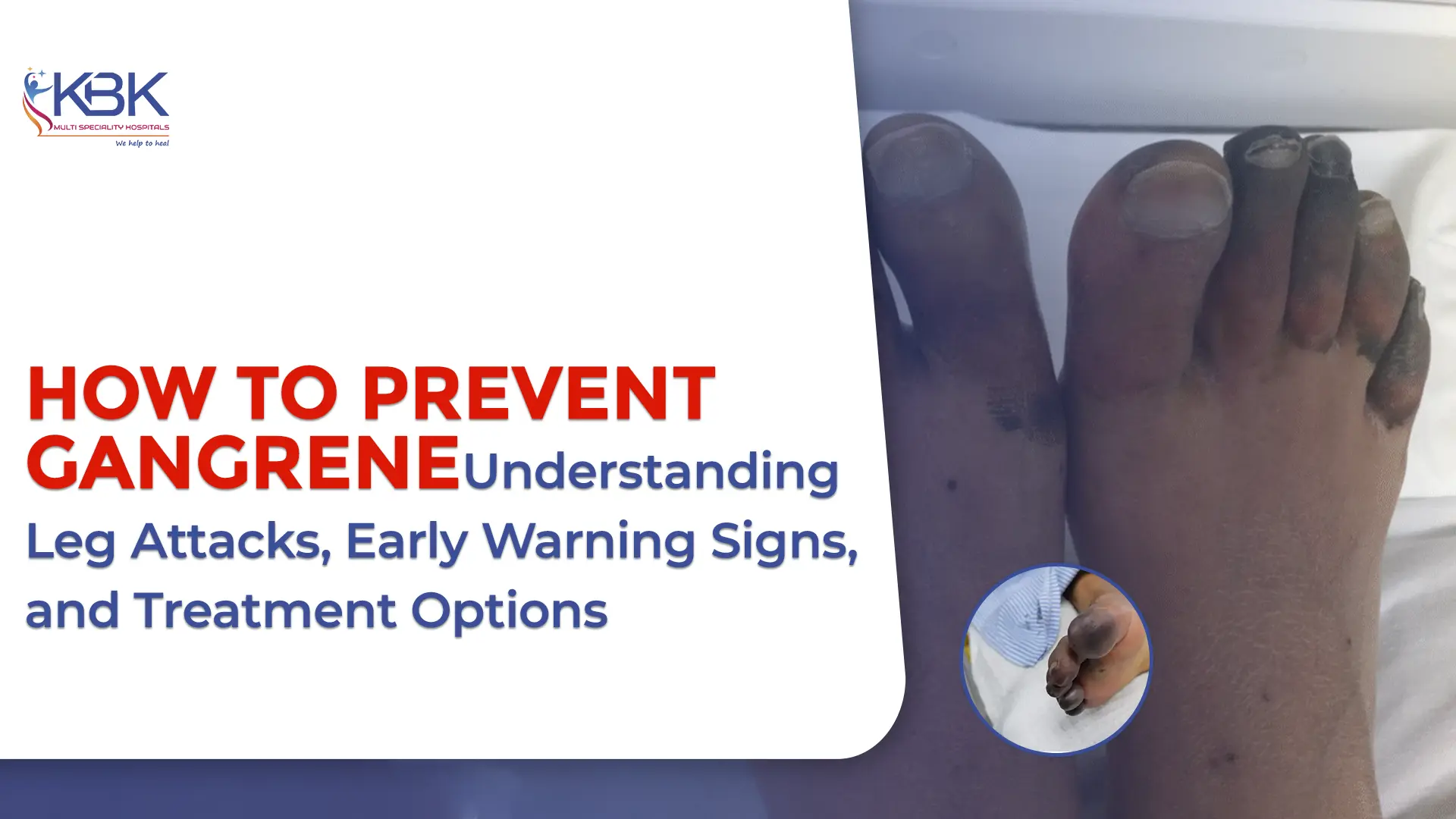
How to prevent gangrene is an important topic, especially for people who have poor blood circulation, diabetes, or Peripheral Arterial Disease (PAD). Many people are familiar with a heart attack, but fewer know about a “leg attack.” A leg attack refers to severe blockage of blood flow to the legs due to PAD.
When blood flow to the legs is reduced, tissues do not receive enough oxygen and nutrients. Over time, this can lead to wounds that do not heal and, in severe cases, gangrene, a condition where body tissue dies. Understanding PAD, recognizing early symptoms, and knowing how to prevent gangrene can help reduce the risk of serious complications.
Understanding the Link Between Leg Attacks and Gangrene
Peripheral Arterial Disease occurs when fatty deposits build up in the arteries and reduce blood flow to the legs. This condition is often called a leg attack because it affects circulation in the lower limbs.
When blood flow becomes very limited, the tissues in the legs and feet do not receive enough oxygen. This is where the risk of gangrene begins. Knowing how to prevent gangrene becomes essential because early care can stop the condition from becoming severe.
Reduced circulation may lead to:
- Non-healing wounds: Small cuts or blisters may not heal properly.
- Tissue damage: Lack of oxygen can slowly cause tissue death.
- Higher infection risk: Poor circulation makes it easier for infections to spread.
Early medical care and awareness about how to prevent gangrene can protect the affected limb and improve recovery.

How Leg Attacks Affect People at Risk of Gangrene
Leg attacks can cause serious problems if they are not treated early. The most common symptoms are pain, weakness, and difficulty walking.
Many patients with PAD experience cramping pain in the legs while walking, which improves with rest. However, when the condition becomes severe, the pain may continue even at rest.
If circulation continues to worsen, complications may include:
- Severe pain and discomfort in the legs or feet
- Reduced mobility, making it difficult to walk or perform daily activities
- Infections that may spread quickly in damaged tissues
- Emotional stress due to fear of serious complications such as amputation
Learning how to prevent gangrene through early diagnosis and treatment is essential to avoid these complications.
Types of Leg Attacks That May Lead to Gangrene
Doctors identify several severe forms of PAD that can increase the risk of gangrene if not treated.
Critical Limb Ischemia (CLI)
This is an advanced stage of PAD where blood flow to the legs is severely restricted. Patients may experience constant pain, non-healing wounds, and visible tissue damage.
Acute Limb Ischemia (ALI)
ALI occurs when blood flow to the leg suddenly stops, usually because of a blood clot. It is a medical emergency that requires immediate treatment.
Chronic Limb Threatening Ischemia (CLTI)
This condition develops gradually and may cause long-term ulcers or wounds. Without proper treatment, it can lead to gangrene.
Understanding these conditions and knowing how to prevent gangrene can help patients seek timely medical care.
Treatment Options for Leg Attacks and Gangrene
Treatment focuses on restoring blood flow, treating infections, and preventing further damage.
Medical Treatment
Doctors may prescribe medications that improve blood circulation and prevent blood clots. Proper wound care is also important to prevent infection in non-healing wounds.
Surgical and Minimally Invasive Procedures
Some patients may need procedures to improve blood flow, such as:
- Angioplasty and stenting to open narrowed arteries
- Bypass surgery to create a new pathway for blood flow
- Debridement, which removes dead tissue to help healing
Advanced Treatments
Certain advanced therapies may also support recovery:
- Hyperbaric Oxygen Therapy (HBOT) to improve oxygen supply to tissues
- Regenerative treatments, such as stem cell therapy, which aim to improve blood circulation and tissue repair
These treatments can play an important role in managing severe cases and supporting how to prevent gangrene.
Lifestyle Changes That Help Prevent Gangrene
Prevention is the best way to protect the legs and feet from serious complications. Learning how to prevent gangrene includes making healthy lifestyle choices and monitoring risk factors.
Helpful prevention steps include:
- Maintaining healthy blood sugar levels
- Following a heart-healthy diet
- Staying physically active to improve circulation
- Quitting smoking
- Checking feet regularly for cuts, wounds, or color changes
Early treatment of even minor wounds is very important, especially for people with diabetes or circulation problems.
Towards Better Health
Leg attacks and gangrene are serious conditions, but they can often be prevented with early diagnosis and proper care. Understanding circulation problems, recognizing symptoms early, and learning how to prevent gangrene can help protect the limbs and improve overall health.
With timely medical support, healthy lifestyle habits, and regular monitoring, many patients can prevent complications and maintain their mobility and quality of life.
Advanced Care at KBK Hospital
Gangrene is a serious condition, and in some severe cases, amputation may be necessary to stop the spread of infection and protect the patient’s life. However, with early diagnosis and advanced treatments, it is often possible to manage the condition and avoid amputation whenever possible.
At KBK Hospital, doctors focus on treating circulation problems, controlling infection, and improving wound healing to help save the affected limb. The medical team uses modern techniques and specialized care to support recovery and improve patient outcomes.
Understanding how to prevent gangrene and seeking timely medical care can greatly reduce the risk of complications. Early treatment and proper care play an important role in protecting both the limb and overall health.