
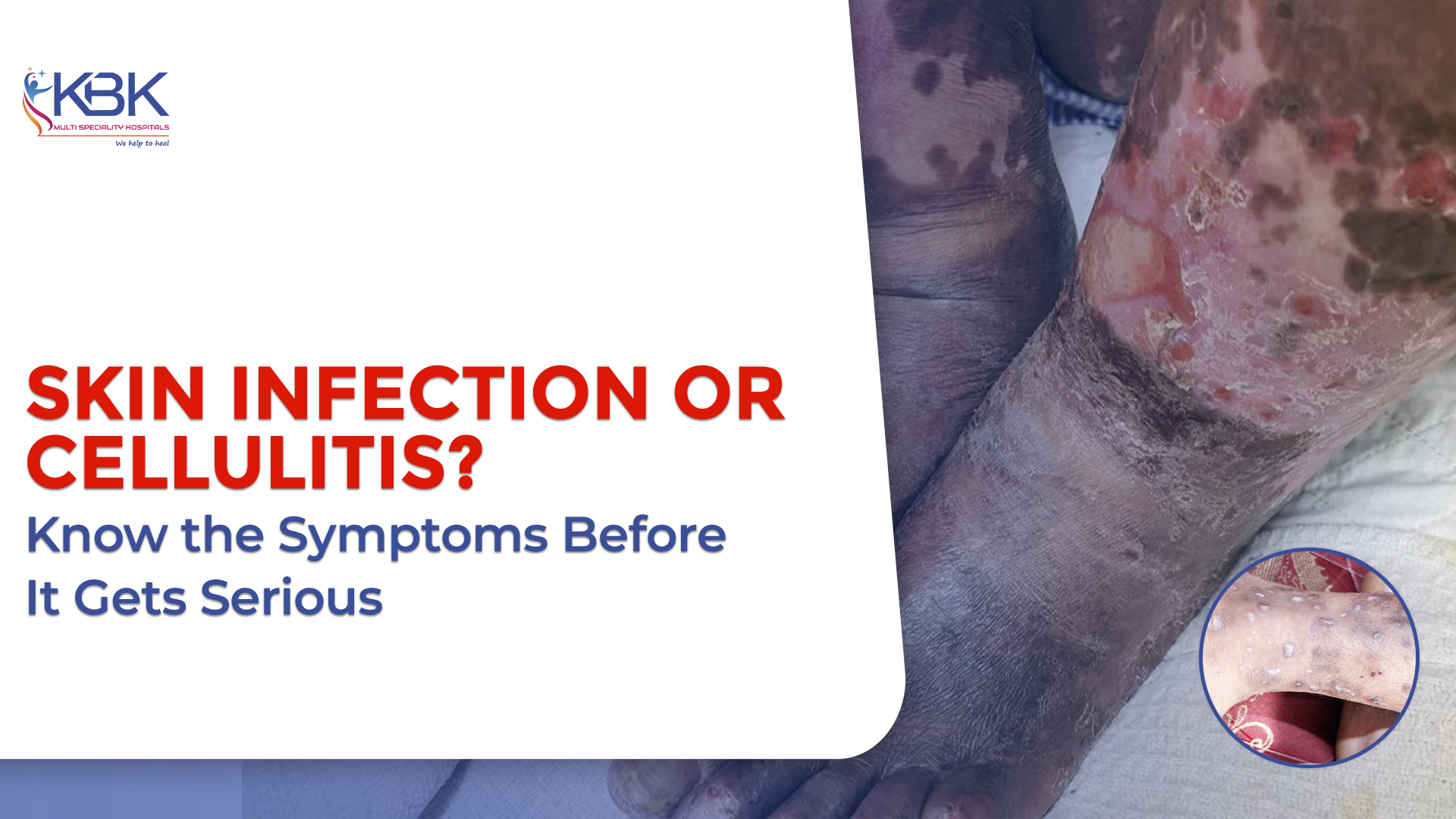
Explore the differences between cellulitis and other skin infections in this comprehensive guide. Learn how to identify symptoms, understand causes, and discover effective treatments for various skin conditions.
Understanding Skin Infections
Skin infections are common ailments that can affect anyone, regardless of age or lifestyle. They occur when harmful microorganisms, such as bacteria, viruses, fungi, or parasites, invade the skin. While some infections are mild and easily treatable, others can be severe and require medical attention. Among these, cellulitis is a notable bacterial infection that often gets confused with other skin conditions. Understanding the differences between cellulitis and other skin infections is crucial for effective treatment and prevention.
What is Cellulitis?
Cellulitis is a bacterial skin infection that affects the deeper layers of the skin and the underlying tissue. It is primarily caused by bacteria such as Staphylococcus and Streptococcus. The infection usually enters the body through a break in the skin, such as a cut, scrape, or insect bite. Symptoms of cellulitis include redness, swelling, warmth, and pain in the affected area. In some cases, fever and chills may also occur.
Causes of Cellulitis
- Bacterial Entry: The most common cause is bacteria entering through a break in the skin.
- Weakened Immune System: Individuals with weakened immune systems are more susceptible.
- Chronic Conditions: Conditions like diabetes can increase the risk.
Risk Factors
- Age: Older adults are more prone to cellulitis.
- Skin Conditions: Eczema or athlete’s foot can create openings for bacteria.
- Obesity: Excess weight can increase the risk of skin infections.
Other Common Skin Infections
While cellulitis is a serious condition, it is not the only skin infection that people may encounter. Here are some other common skin infections:
Impetigo
Impetigo is a highly contagious bacterial skin infection, often affecting children. It is characterized by red sores that burst and develop honey-colored crusts. Unlike cellulitis, impetigo is usually superficial and affects the outer layers of the skin.
Fungal Infections
Fungal infections, such as ringworm and athlete’s foot, are caused by fungi and typically affect the skin’s surface. These infections are characterized by itchy, scaly patches and are often treated with antifungal medications.
Viral Infections
Viral skin infections, such as herpes simplex and warts, are caused by viruses. These infections can vary in severity and may require antiviral treatments.
Parasitic Infections
Parasitic infections, like scabies, are caused by parasites that burrow into the skin. These infections often cause intense itching and require specific treatments to eliminate the parasites.
How to Differentiate Cellulitis from Other Skin Infections
Differentiating cellulitis from other skin infections can be challenging, but certain characteristics can help.
Key Differences
- Depth of Infection: Cellulitis affects deeper skin layers, while others like impetigo are more superficial.
- Symptoms: Cellulitis often presents with systemic symptoms like fever, unlike many other skin infections.
- Appearance: The redness and swelling in cellulitis are usually more diffuse and less defined than in other infections.
Diagnosis
A healthcare provider can diagnose cellulitis through a physical examination and, if necessary, additional tests such as blood tests or cultures.
Treatment Options
Treating cellulitis typically involves antibiotics to combat the bacterial infection. Early treatment is crucial to prevent complications. Other skin infections may require different treatments, such as antifungal or antiviral medications.
Home Care and Prevention
- Hygiene: Maintaining good hygiene can prevent skin infections.
- Skin Care: Keeping the skin moisturized and protected can reduce the risk of infections.
- Treatment: Treating cuts and scrapes promptly can prevent bacterial entry.
When to Seek Medical Attention
It is important to seek medical attention if you suspect cellulitis or if a skin infection does not improve with home care. Signs that require immediate attention include spreading redness, fever, or severe pain.
Conclusion
Understanding the differences between cellulitis and other skin infections is essential for effective treatment and prevention. By recognizing the symptoms and knowing when to seek medical help, individuals can manage these conditions effectively and maintain healthy skin. Always consult a healthcare professional for an accurate diagnosis and appropriate treatment plan.
By staying informed and proactive, you can protect yourself and your loved ones from the complications of skin infections. Remember, early detection and treatment are key to a quick recovery.
FAQs
1. What is a skin infection?
A skin infection occurs when bacteria, fungi, or viruses enter the skin through cuts, wounds, or damaged areas. It can cause redness, swelling, pain, and sometimes pus or fever.
2. How is cellulitis different from other skin infections?
Cellulitis is a specific type of bacterial skin infection that affects the deeper layers of the skin. Unlike minor skin infections, cellulitis often spreads quickly and requires medical treatment.
3. What are the common symptoms of a skin infection?
Common skin infection symptoms include redness, swelling, warmth, pain, and sometimes discharge or pus. In more severe cases, fever and fatigue may also occur.
4. When should I see a doctor for a skin infection?
You should consult a doctor if the skin infection spreads quickly, becomes painful, causes fever, or does not improve after a few days.
5. What causes cellulitis?
Cellulitis is usually caused by bacteria entering the skin through cuts, insect bites, wounds, or cracked skin. People with weakened immunity or diabetes may have a higher risk.
6. Can a skin infection become serious if untreated?
Yes, if a skin infection is not treated early, it can spread to deeper tissues and lead to complications. Early medical care can help prevent severe conditions like cellulitis.
7. How can skin infections be prevented?
Skin infections can be prevented by keeping wounds clean, maintaining proper hygiene, avoiding scratching irritated skin, and seeking early treatment for cuts or injuries.